Yerington Monday: Nevada Copper Belt Railroad
The Nevada Copper Belt Railroad lived a short, enthusiastic life, 1911 to 1947. Although the tracks are gone today, its footprint lingers. The short line has several elements that make it attractive to rail modelers: Thompson smelter and Wabuska, the mining and rail headquarters town of Mason, dramatic Wilson Canyon, and Ludwig Mine. Along the way are the spur for oil bulk plants, stock holding pens, the wye at Hudson, Nordyke and the West Walker River. If you are alert to the clues, much of the right of way may still be traced today. The Yerington Chamber of Commerce selected the phrase “Cattle Kingdom in the Copper Hills.” Sounds more genuine American West than gypsum and mutton.
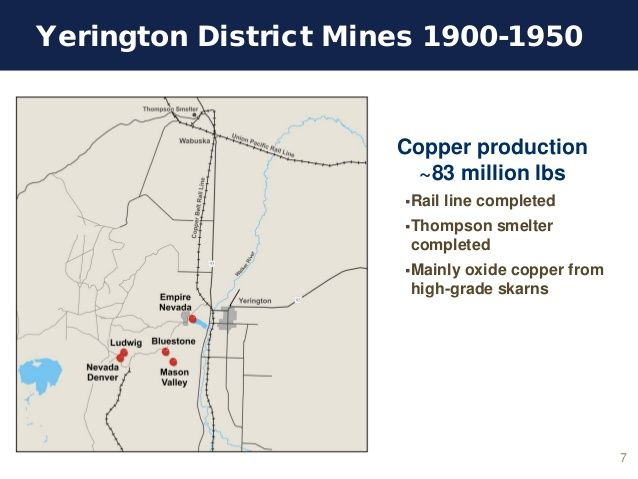
May of Nevada Copper Belt Railroad’s route through the mines and outskirts of Yerington.

The Bluestone Mining Heisler
The Nevada Copper Belt Railroad connected the mines to the smelter at Thompson.
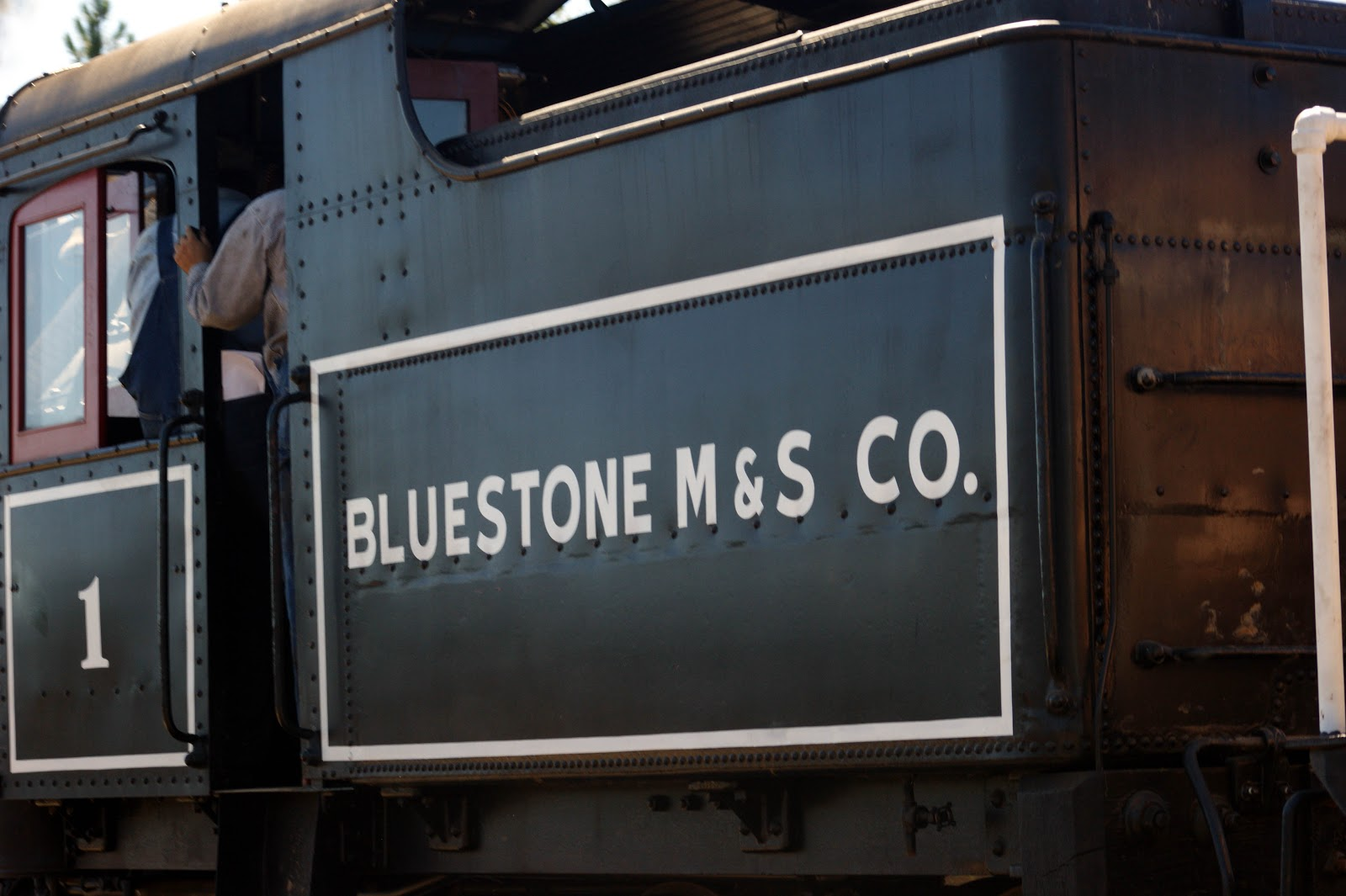
Bluestone Mine, on an uphill spur West of Mason, had its own horsepower to pull the hill.
Bluestone Mine, on an uphill spur West of Mason, had its own horsepower to pull the hill. If the Baldwin 2-8-0's on the NCB line where the 'oxen,' then Bluestone's 37 ton Heisler was the 'bulldog' of rails. This is the original loco, but it can't be found at the Bluestone Mine, nor in Mason any more. After some migration, it wound up at Willits California in the Roots of Motive Power museum. On selected occasions, volunteer engineers pull it out, and carry happy passengers in a circle.

Locomotive: Heisler Steam, Bluestone Mining and Smelting

1911 Nevada Copper Belt Railroad Nevada Copper Belt Railroad Wilson Canyon: Nevada Copper, Railroad
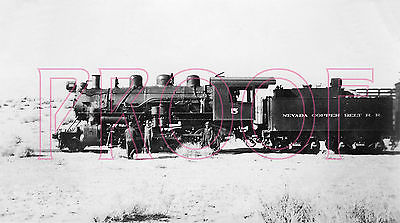
Nevada Copper Belt Railroad Engine 5

Nevada Copper Belt Railroad
The name Fairbanks, Morse & Company of Chicago is synonymous with precision-built platform scales, hand presses, coffee grinders, water tanks, farm machinery, and car wheels. After acquiring the Sheffield Velocipede Car Company of Three Rivers, Michigan, F-M expanded into the burgeoning field of gasoline-engine track cars. Self-propelled passenger cars followed, with the Type 19 open car, the larger Type 23, and, in 1909, the Type 24 with wood carbody by J.G. Brill or G.C. Kuhlman. About 65 four-wheel, 50-horsepower cars had been sold when production ended in 1916.
Nevada Copper Belt Railroad No. 20, a 1909 Model 24 Fairbanks Morse motor car that operated between Mason and Wabuska in Lyon County. (Postcard photo courtesy of Robert Greenwood)
In 1909, the Copper Belt purchased its first gasoline motor car, a Model 24 F-M, for $8,055. As NCB No. 20, this car operated on the relatively flat 23.7 miles between Mason and Wabuska. The 34-foot, 12½-ton car seated 36 passengers. It operated daily until the volume of traffic exceeded its capacity and two larger cars were purchased. Stored in the enginehouse at Mason, No. 20 was destroyed in a disastrous November 1916 fire, along with 1891 Baldwin ten-wheeler No. 1.
Two motor cars built by the Hall-Scott Motor Car Company of West Berkeley, California, came to Nevada. Both were owned by the Copper Belt. Hall-Scott had been building motor cars for two years when the Nevada Copper Belt placed an order for its No. 21. Completed in November 1911 as H-S construction number five, the car had engine, baggage, smoking, and general passenger compartments. The wooden carbody was built by the Holman Car Company of San Francisco to Hall-Scott specifications. J. G. Brill Co. of Philadelphia manufactured the trucks.

Nevada Copper Belt No. 21, built by the Hall-Scott Motor Company of West Berkeley, California, with wood carbody by the Hollman Car Company of San Francisco. (Photo: California State Railroad Museum, courtesy of George Childs)
The car’s six-cylinder Hall-Scott M-6 gasoline engine, with transmission on the rear truck, developed 150 horsepower at 600 rpm. The 54-foot, 36-ton car cost $14,635 f.o.b. Hall-Scott’s shops. It made the 337-mile trip from West Berkeley to Mason largely under its own power. Seating capacity of 69 was figured at three friendly passengers per seat on extra-long car seats, with an 18½-inch center aisle. The car entered revenue service December 1, 1911.
The Orem family of Salt Lake City were major NCB stockholders. Their Salt Lake & Utah Railroad was incorporated in October 1912. Following the success of NCB No. 21, the Orems ordered three new Hall-Scott motor cars that were to be the SL&U’s primary motive power and passenger equipment until the line electrified in July 1914.
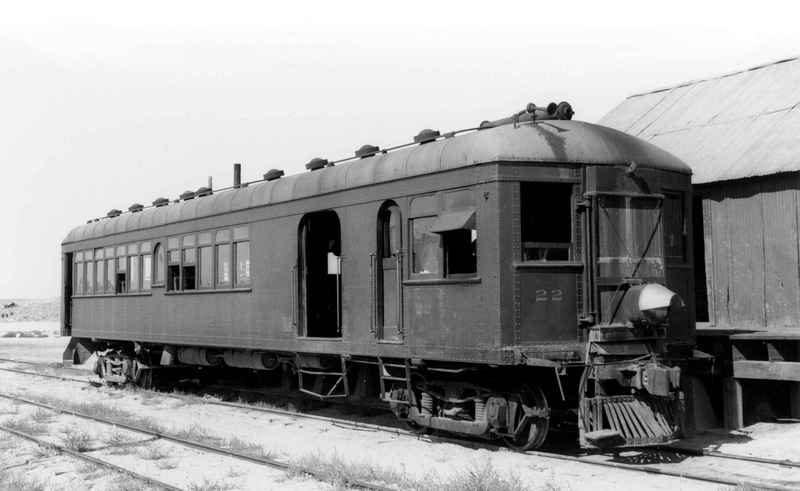
Nevada Copper Belt No. 22, the steel-bodied Hall-Scott motor car that the railroad’s crews preferred to the older, wood-bodied Hall-Scott motor car No. 21, in 1940.
The H-S cars saw consistent use right up to the final years of the NCB. They pulled a boxcar or two over the relatively flat terrain between Wabuska and Mason when traffic and scheduling warranted. Near the short-line’s end in 1947, NCB crews seemed to favor more-modern steel car No. 22. When Bay Area railroad enthusiasts chartered No. 22 for a sentimental photo trip over the line in October 1946, they were offered No. 21 and promptly purchased it. Restored, the car was presented in 1990 to the California State Railroad Museum, where, on occasion, it operates. No. 21 is believed to be the oldest operating passenger motor-car in North America with its original engine.
No. 22 had a less-glamorous end. When scrappers removed its trucks, engine, and seats in 1947, the carbody remained in Nevada, eventually becoming part of a plumbing-and-heating shop in Carson City. It came to the Nevada State Railroad Museum in 1996. NCB No. 22 was the subject of a 2008 restoration feasibility study commissioned by the Museum. Of 23 gasoline motor cars built by Hall-Scott between 1909 and 1921, NCB No. 22 is the only steel-shelled H-S motor car to survive.
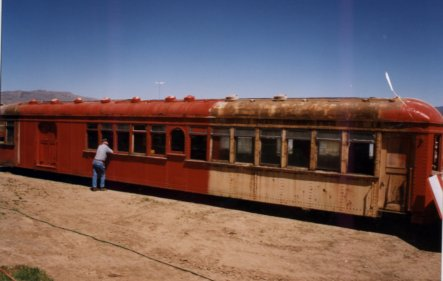
Nevada Copper Belt #22 In the yard awaiting restoration, 2004, Nevada State Railroad Museum collection. Nevada Copper Belt …
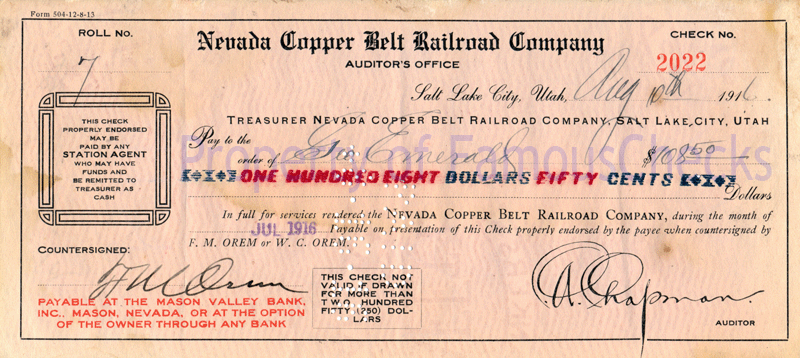
Nevada Copper Belt Railroad check: Nevada Copper Belt Railroad Company
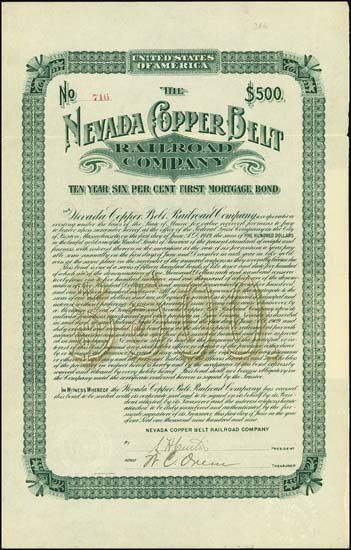
Nevada Copper Belt Railroad 10 year, 6% bond
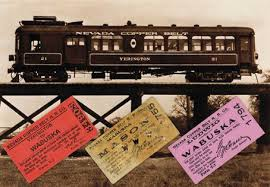
The Nevada Copper Belt Railroad – Hall Scott Motor Car #21. The railroad carried passengers from Wabuska through Yerington, Mason, Wilson Canyon, Hudson and on the Ludwig. The train ran until 1947.
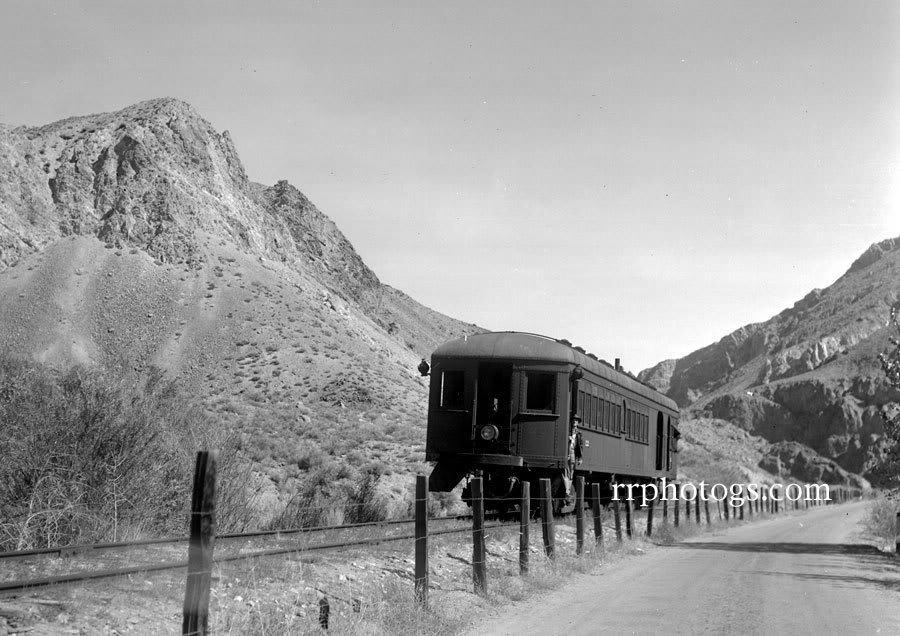
RR PRINT NEVADA COPPER BELT PASSENGER MOTORCAR #22 V3
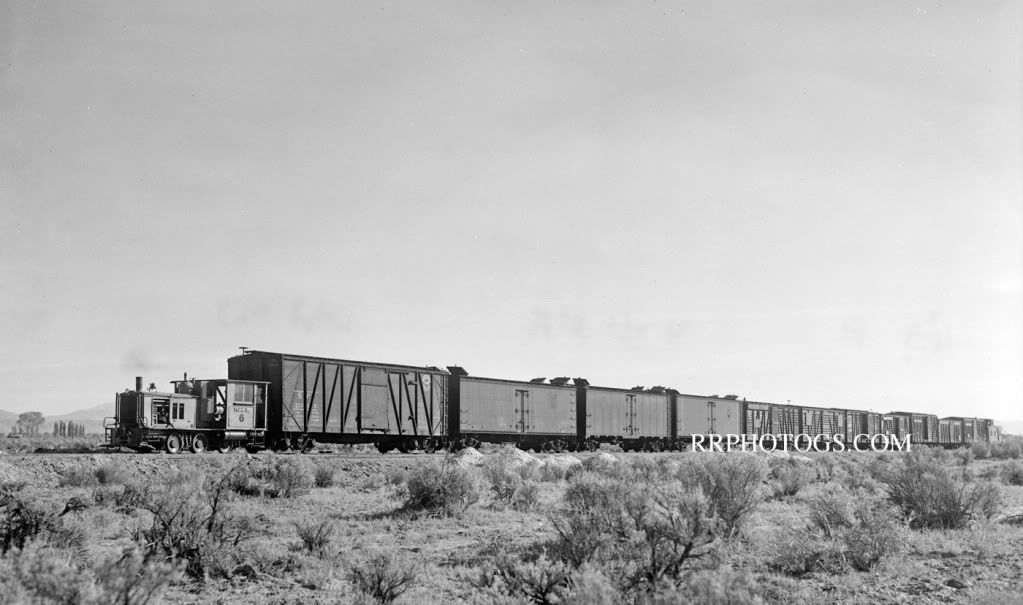
RAILROAD PRINT NEVADA COPPER BELT FREIGHT ACTION w #6
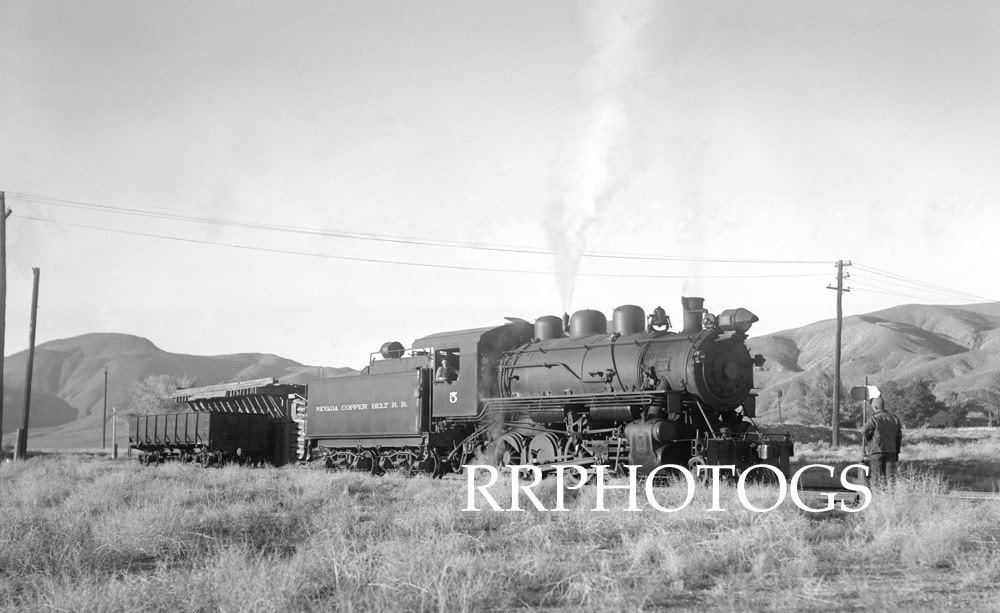
RAILROAD PRINT NEVADA COPPER BELT STEAM ACTION w #5
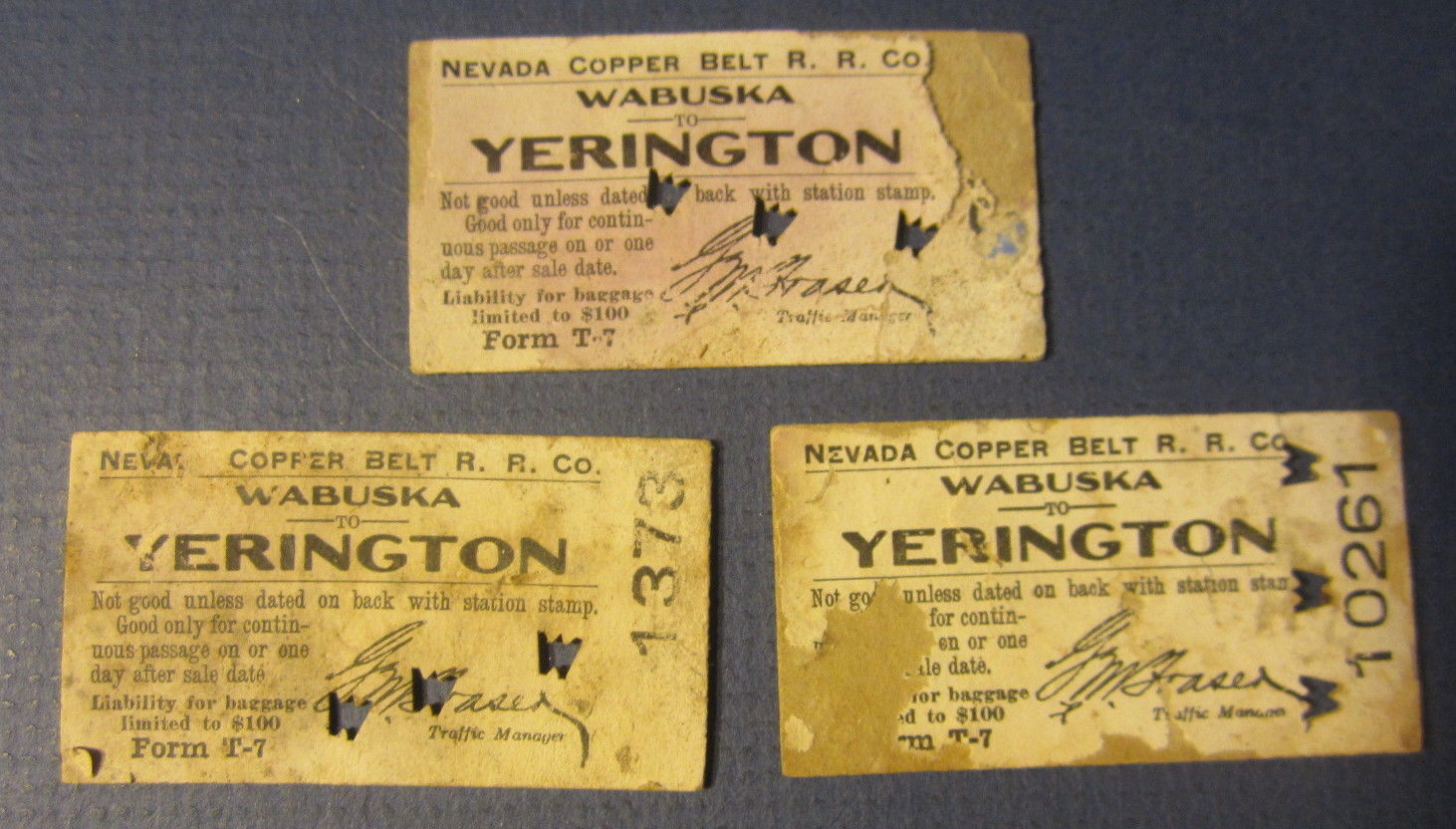
3 Old 1911-1913 NEVADA COPPER BELT Railroad - TRAIN Tickets - WABUSKA YERINGTON
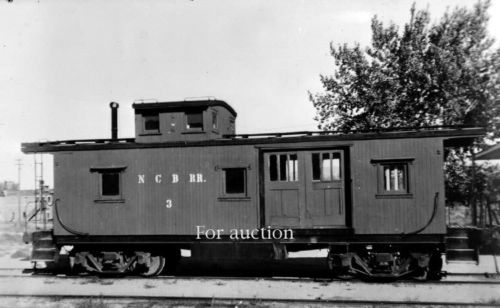
Posted on Facebook January 11, 2016