Showing posts with label Mason Valley. Show all posts

Thursday, January 7, 2016

Yerington Monday: The Onion Capital of the West

Yerington Monday: The Onion Capital of the West

Mason Valley has three large onion growers and has been dubbed by many as the "Onion Capital of the West". September and October is onion harvest in Mason Valley. As a teenager ,my brother, David, decided he could make some extra money by harvesting garlic. I am not sure which ranch he went too, but by 12 noon he was home vomiting his guts out. The heat and the smell of the garlic did him in.
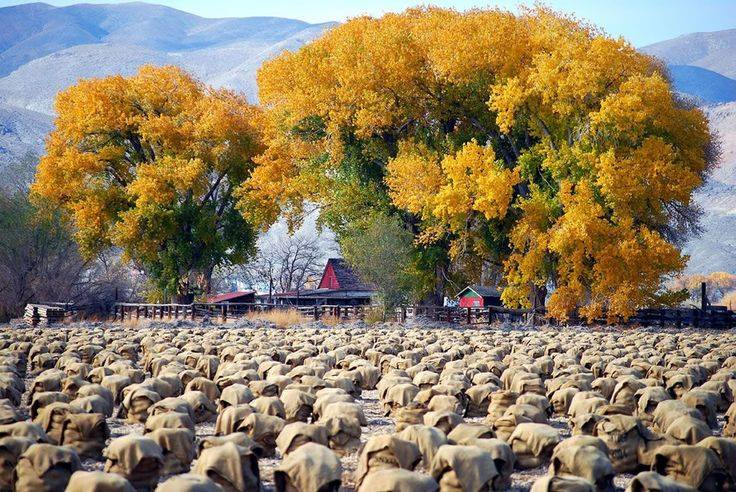

Nevada Onion Harvest in Mason Valley, Lyon County, Nevada
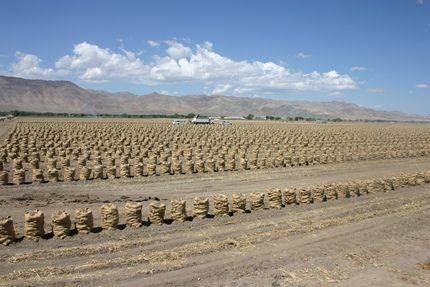

Annual Onion Harvest


Sweetie Sweet is a variety of sweet onion grown in the Mason Valley in Yerington, Nevada. The Sweetie Sweet onion can be found in marketplaces throughout September through the end of January.
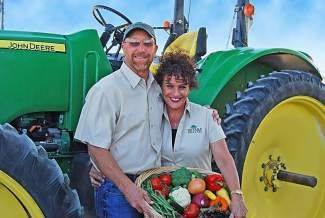

David Peri: Peri & Sons is one of the nation’s largest producers of onions. Some may find an interesting heritage of the Peri Family on their web site http://www.periandsons.com/


Eddie Snyder - Snyder Livestock Co. - Yerington, NV
Snyder Livestock Company, Inc.
165 Osborne Lane
Yerington, NV 89447

Posted on Facebook January 12, 2015

Comments
  • Peggy Freitas Purintun I used to love the smell of onions and garlic in the early morning, but I am sure it could be overwhelming if you were trying to harvest it. Great memories from Mason Valley


  • Mary Burns My lovely Momma taught Eddie Snyder in the second grade SHe just "loved all of her cute little second graders"

  • Liz Merrill Mason Remember the sweet fresh smell of alfalfa as you drove into town in the morning? I loved that smell and would roll the window down to inhale heaven. To this day when I smell alfalfa it instantly reminds me of Mason Valley. My mom used to dig up asparagus growing alongside the road, too. Thanks so much for the memories, Chere!

  • Mary Burns and sage brush after a summer rain I loved it, My husband, however thought it smelled like cat pee , what the hell would he know , he was from Jersey City, where the most pleasant aroma there is decaying rats !! eeeeeek!!

  • Chere Brown One smell I hated was the slaughter house in Mason, when the wind blew towards Yerington. Yuk.

  • Liz Merrill Mason Yep, I used to hold my breath whenever we drove by it. Thought I was going to die when our class went there on a field trip. Put me off beef for awhile

  • Mark Glass Kathleen and I had some visitors to Yerington/Mason Valley in 1972 from LA. The wife had been raised inside city all her life. As we drove past Peoples Packing she asked me "What are those funny brown mounds the cows are standing on?" I almost wrecked the car while trying to drive and laugh! I don't believe she ever quite forgave me. (But it was hilarious!!)

  • Mary Burns call me crazy (but not so as I can hear you heee) but I didnt mind the slaughterhouse distinct aroma... especially in the summer eves when the temp had cooled off, and all the neighborhood kids were outside running amuk (a controlled one by the way) it seems the aroma was more noticeable at dusk... during kick the can, hide and go seek, last nite midnite, ollie ollie oxen free.. street football fond times , fond memories. lv,mb

Chere Brown I guess the orders mingled with all the fun made them all part of the experience, but I use to sleep on our screened-in front porch on hot summer nights, and often the dung order floating past my nostrils was a suffocating and putrid nightmare.

Wednesday, January 6, 2016

Yerington Monday: What's In A Name?

Yerington Monday:  What's In A Name?
Yerington has gone by three different names in its history: Pizen Switch, Greenfield and Yerington.  Yerington is located in Mason Valley in Lyon County, Nevada  Yerington’s history dates way back to the 1850’s. 
(Information taken from The Lyon County brochure "What's In A Name")
PIZEN SWITCH
Agricultural communities have a way of becoming established before the town historians are ready to record the event for posterity. By 1881 the story was being retold that N.H.A. "Hock" Mason was driving cattle to California and happened to pass through this valley in 1854. He returned five years later and settled along the Walker River north of the present town. The valley that was named for him was known for its pasturage along the river and ability to produce crops of barley, potatoes and grain.
The area came to be called Mason Valley and a post office by that name was established on August 6, 1871. At about the same time the emerging community on the old trail was more casually referred to as "The Switch" or Greenfield. The two names seem to be used interchangeably as late as 1894. The folklore states there were at least two saloons and one was serving distinctly inferior liquor. The local patrons called it POISON but their accents made it sound like "pizen". One generally accepted version is that the saloon was a small willow thatch hut, PIZEN SWITCH continued appropriately referred to as the "Switch", and the liquor consisted of one barrel of whiskey. Instead of securing fresh supplies, this entrepreneur added a few plugs of chewing tobacco and water when the barrel ran low. The cowboys, during one of their weekly excursions to town, were racing their horses up and down the only street. One of the group must have soon tried of the sport because he is said to have said, "Oh, let's go to the Switch and get us some pizen." All within hearing distance thought the remark was hilarious. It was repeated again and again until "Pizen Switch" became a byword for the entire valley.

GREENFIELD

Aero view of Yerington
As early as 1873, it was thought the town was coming into its own with a livery stable, store, saloons, blacksmith shop and hotel, and the place needed a different name from that of the valley. It was agreed that the new name would not be Pizen Switch. There were green fields on either side of the street, so what better name than "Greenfield". The mailing address remained Mason Valley. In 1879 this item appeared in the Lyon County Times "Pizen Switch Re-Christened November 26, 1879".
About 20 Virginia and Gold Hill people including several ladies went out to Pizen Switch in Mason Valley last week to assist in dedicating the new dance hall put up lately by the Brant Brothers. Whiskey and hard cider flowed freely but there were no fights. The music was furnished by a fiddle and two banjos. The place was re-christened "GREENFIELD" and an organization was formed, to be known as the Committee of Vengeance, whose duty it shall be to murder and scalp any and every person who shall hereafter call it "Pizen Switch".
In a contemporary history of the state published in 1881, History of Nevada by Thompson and West, we read "the post office address is Mason Valley, but an effort is being made to change it to Greenfield." It is interesting that there is no reference to Pizen Switch, while Greenfield is described as "a thriving little town in the center of the rich agricultural country in Mason Valley."
YERINGTON
The name of this community honored a prominent man in Nevada and is distinctive. There is no other town named Yerington in the world.
Mason Valley Tidings and the Lyon County Times, contemporary local newspapers, record the change of the name of the post office from Mason Valley to Yerington on April 1, 1894 even though post office records show the name change officially as of February 6, 1894. Within one week the dateline of the Mason Valley Tidings was changed from Greenfield to Yerington and all references to the Switch, Pizen Switch and Greenfield quickly ceased to appear. Newly organized clubs adopted the name as did business establishments such as The Greenfield Hotel that became the Yerington Hotel overnight.
The popular legend holds that the citizens of Greenfield saw the economic value of being on the route of the Carson and Colorado Railway. The closest station to town was Wabuska, about 12 miles north. The portion of the "Slim Princess" line traversed the northern portion of Mason Valley towards Schurz and beyond. They hoped that a rail line along the west side of the Walker River would be approved, and the way to achieve this was to flatter the man with the power to decide the route - Henry Marvin Yerington. Hence, the story goes, the name of the town was changed, but the railroad did not come to town.
H.M. Yerington was an important man in Nevada as was his son, James A. Yerington. This native son was active in mining and politics at the state level. He was the Nevada Executive Commissioner at the World's Fair and gave the community a souvenir book showing "... a haying scene in Mason Valley, the only agricultural picture. Mason Valley, we presume, was considered the garden spot of the Nevada." We would go on to national politics being present at Theodore Roosevelt's inauguration.
These men were celebrities of the late 19th century and their movements were tracked by- local newspapers. As ear1y as April 8, 1893 the editor of the Mason Valley Tidings, D. L. Sayre, wrote "D.O. Mills and H.M. Yerington passed Wabuska southward bound Wednesday on a tour of inspection of the railroad. Tidings wishes they might visit this valley." On August 19, 1893 he wrote "H.M. Yerington is at present making a tour of inspection of the C Railroad. We hope Mr. Yerington will visit this valley, that he may meet our solid citizen and discuss the feasibility of extending the railroad into the valley..." January 4, 1894, "If, as many people believe, the C & C Railroad is built into Mason Valley this year - it only skirts the eastern border now - '94 will see our population and taxable property double."

Tuesday, January 5, 2016

Yerington Monday: Hunting in Mason & Smith Valley

Yerington Monday: Hunting in Mason & Smith Valley
|
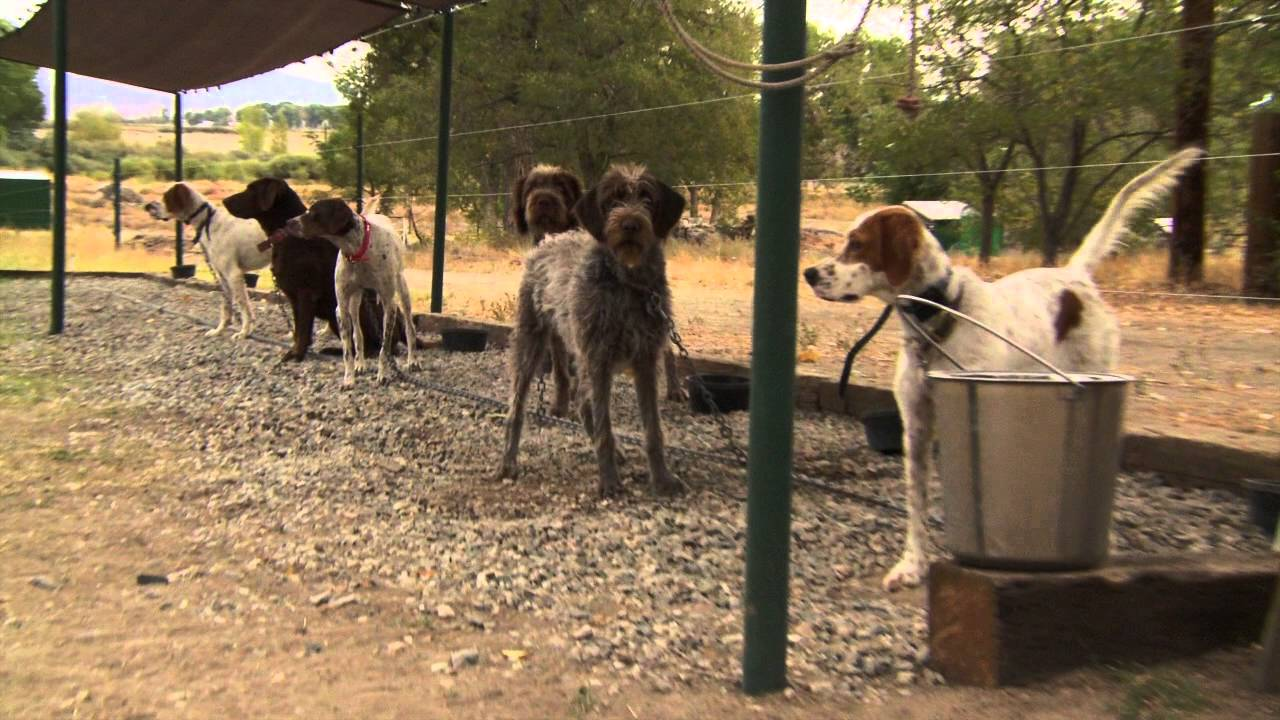
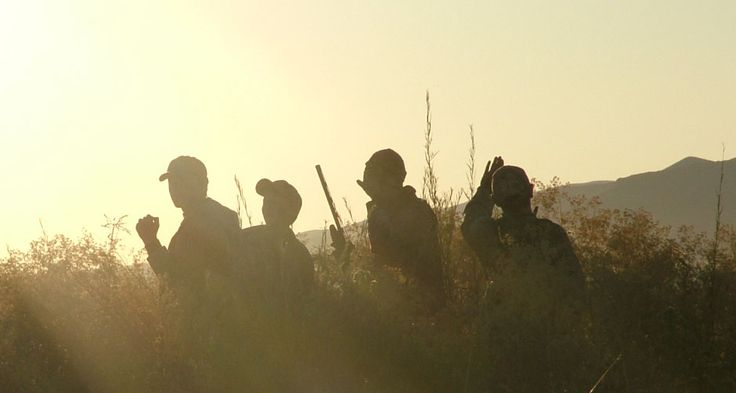
Hunting was a real big thing when I was a kid.  It helped supplement a lot of Yerington’s families with food.  There were hunters who hunted quail, pheasant, wild turkey, duck, deer and occasionally a porcupine.  Then there were sportsmen who hunted coyotes, wolves, wildcats and mountain lions, At lease once a year we were invited out to Dr. Mary & Fred Fulstone’s ranch during pheasant hunting season, so my brothers could be taught how to hunt by “real” men as my mother was a single parent.  My brothers really enjoyed themselves.
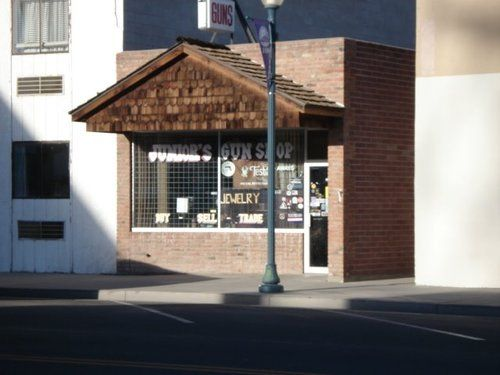
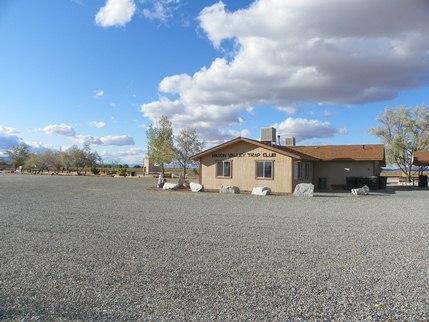
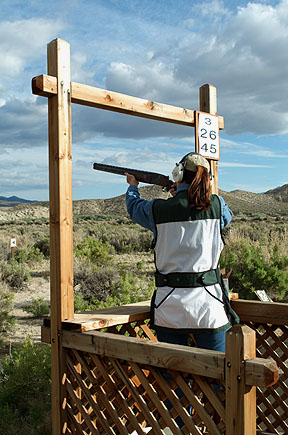
The Yerington/Mason Valley area to this day supports hunters.  There is Junior’s Gun Shop for guns and ammo, the Mason Valley Trap Club for practice, the CottonWood Hunt Club & the Mason Valley Hunt Club stocked with birds, and in nearby Smith Valley the Walker River Resort Hunting Preserve.
Junior’s Gun & Pawn Shop 12 South Main Street Yerington, Nevada 775-463-3017 Junior's Gun & Pawn Shop offers you the kind of small-town atmosphere where the coffee's always on and the solid, expert advice is free. We take the time to help you decide which gun is best for you. And, should you have any problem with your gun, we handle it for you. We keep a good selection of accessories on hand for every type of shooter. We have a variety of ammunition in just about any caliber you'll need, by the box or in bulk. If you prefer handloading, you'll be glad to know that we carry powder, primers, bullets and other reloading components, as well as dies and reloading accessories. Plus, we're regularly ordering presses and other equipment from RCBS and Lee Precision. For transporting your guns, we offer you a variety of holsters from Fobus, Galco, Uncle Mikes and Bianchi. To keep your guns secure, we'll order you a top-quality safe from Browning and other makers.
Our selection of optics includes a variety of scopes from brands such as Simmons, Nikon, Redfield, Tasco and Burris, as well as red dot sights from Aimpoint. A good knife is as important as a good gun, which is why we carry models from Case, Browning, and Old Timer. At Junior's, we have cleaning supplies, bipods, rings, mounts, and just about any other accessory you'll need. What's more, we'll always order in any accessory that we don't have in stock.

Our customers are always amazed that a small-town shop like ours could have such a fine selection of guns. Our constantly-changing inventory includes over 100 new and used models from makes like Thompson Center, Cimarron, Bushmaster, Taurus, Browning, Marlin, Mossberg, Colt, Sigarms, Winchester, Remington, Beretta, New England Firearms, Savage, Glock, Sako, Ruger, Henry, Springfield Armory, Chipmunk, Crickett, Snake Charmer, Kel-Tec, Bersa, Para Ordnance, Walther, Smith and Wesson, Weatherby, Twin Pines Rock Island, and more. We also carry muzzleloaders from CVA, Traditions, and Thompson Center. Because we're constantly buying, selling and trading guns, our selection is always changing, so you'll want to stop in often to see what's new. If you're looking to sell your gun, see us first for the best price. Or, if you like, we'll sell it for you on consignment. We also handle out of state transfers.

If your gun needs routine maintenance or repair, we'll help you with that as well. Just bring it on in.

To get to our shop from Carson City, take Highway 50 to Silver Springs, then head south on Highway 95A into Yerington. You'll find us right on Main Street next to Citibank. We'll be ready to greet you!


Trap Club 1.1.jpg
Mason Valley Trap, Rifle and Pistol Range
Mason Valley Trap Club
470 Pete Hendrichs Rd., Yerington, Nevada, 89447

Eight miles east of Yerington off of 95A, left on Pete Hendrichs Rd.

Hours of Operation: By appointment - Practice Sundays, Tuesdays and Wednesdays noon to sundown. Club shoot first Sunday of each month February-August 9 a.m. - 5 p.m.
Rifle, pistol and black powder range open at no charge - open daylight hours.

Contact for Information: John Evasovic (775) 463-3046 and Dick Goodwill 463-4419


Cottonwood Hunt Club Yerington NV

One of the few premier recreational/working ranch properties to become available in the prestigious Mason Valley near Yerington NV. The 5 C’s Cottonwood Ranch features approx. 1.5 miles of spectacular frontage on the West Walker River with some of the most valuable water rights in Nevada.

This unique Yerington ranch for sale was once part of the larger original Cottonwood Ranch that was owned by the Wilson family in the mid 1860’s after which Mt. Wilson and Wilson Canyon were named. The ranch is currently being used for livestock grazing and for game bird hunting. The Cottonwood Hunt Club is a 400 acre licensed hunting preserve.
MASON VALLEY HUNT CLUB
Tony Reviglio Telephone:+1 775-741-4447
Yerington residents Marty Howard and Tony Reviglio have joined together to form the Mason Valley Hunt Club, whose first season starts on Aug. 15.

Howard had conducted the Mason Valley Guide Service for many years before he and Reviglio decided to expand the hunting services offered.

Reviglio said Howard, who also was affiliated with hunts through Casino West, conducted waterfowl (goose and ducks) and migratory bird hunts in the mornings, and they decided offering upland game hunts in the afternoons would give the hunters something else to do while in Mason Valley

Walker River Resort Hunting Preserve
Smith Valley, NV 89430
Welcome to the friendly and exciting atmosphere of Walker River Resort.  The great scenic beauty of unspoiled western Nevada awaits you at this lovely ranch style Resort.  Crystal clear air, old fashioned countryside quiet and unsurpassed seclusion and security are the special benefits each and every vacationer enjoys at the Walker River Resort.
For the vacationer looking for adventure, the West Walker River offers a picturesque environment for float trips. Or one can explore the many ghost towns and old mines in the area.  The Resort itself sits at the old town site of Hudson, Nevada.  Tremendous historical lore surrounds the Resort and is brought to life each season.

Walker River Resort Hunting Preserve

Cottonwood Hunt Club

The Mason Valley Hunt Club

The Mason Valley Hunt Club
https://youtu.be/bIkSuTUPv7o   Cottonwood

Yerington Monday: The Nordyke House

Yerington Monday: The Nordyke House
I have passed this house on Highway Nevada 339 many times over the years on my way to Wilson Canyon.  I never knew much about it, but always admired its architecture. Upon research I discovered it is a historical treasure in Mason Valley and has recently been listed as a Nevada State Register of Historic Places.  Click on the pictures to learn more about this house.

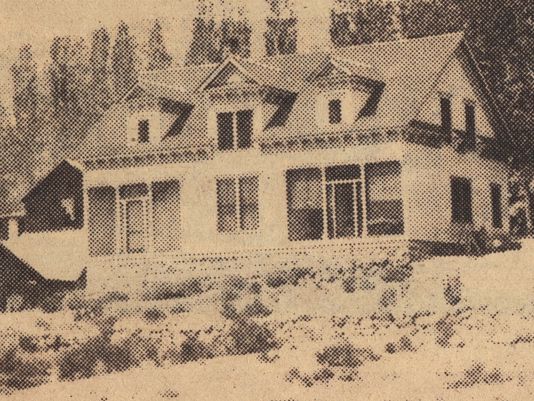
The Nordyke House in Mason Valley as it looked in the 1960s, published in the Carson Chronicle on Aug. 26, 1971.

J.W. Wilson

The house sits on the west side of State Route 339 at the old Nordyke town site in Mason Valley.  The Nordyke House was built at its present location by J.W. Wilson between 1903 and 1906.

The Wilson family, for whom Wilson Canyon is named, had come to Mason Valley from Missouri and was the first family to settle in Mason Valley, according to History of Nevada 1881 by Thompson and West. The canyon was named after "Uncle Billy Wilson" who was a miner and rancher, and for whom the Wilson Mining District is also named.  At the time, Mason Valley was part of Esmeralda County and the deed to the property, recorded in August 1863, was the county's first.

The Wilson family, for whom Wilson Canyon is named, had come to Mason Valley from Missouri and was the first family to settle in Mason Valley, according to "History of Nevada 1881," by Thompson and West. At the time, Mason Valley was part of Esmeralda County and the deed to the property, recorded in August 1863, was the county's first.

Wilson bought the house off a lot in Virginia City and had it shipped to Lyon County well after the last of the mining had peaked at the Comstock Lode.

A story published in the March 7, 1903, Lyon County Times states that J.W. Wilson had begun construction of the home.  A newspaper article in 1906 about an adjacent flour mill refers to J.W. living in a "modern palatial house." The house was dubbed the Nordyke House in honor of A. H. Nordyke, a businessman from Indiana who was in Mason Valley to help the Wilson's design the mill and sell them equipment.

The first residents of the house, James W. and Mary Ellis Wilson, were part of Mason Valley’s renowned Wilson family. Members of the Wilson family established ranching and mining operations in Mason Valley, served in the state legislature, and helped develop the Walker River Irrigation District to aid agriculture in the region. The Wilsons sold the property to Alfrid Bohm, who continued to ranch at the site and made several additions to the home until he too moved on in 1950.
-RENBrd_11-20-2013_MVN_1_A001~~2013~11~19~IMG_-MV1106_Nordyke_Hous_1_1_N25J8.jpg

Nordyke Ranch House joins 151 other resources throughout Nevada listed in the State Register of Historic Places.  Nordyke Ranch House in Lyon County, south of Yerington, was listed in the Nevada State Register of Historic Places on September 12, 2014. As one of the few remaining buildings of the small ranching community of Nordyke, the ranch house stands as a visible reminder of Mason Valley’s agricultural development in the early 20th century
72487-nordyke_house_west_facade_tom_and_judy_price_2014.jpg


Tom and Judy Price the current owners are both are former educators, Tom as a university math professor who also worked as computer consultant, and Judy in special education administration and testing. They moved to Mason Valley specifically to buy the Nordyke House, coming from Santa Fe, N.M., where Judy had been working.

Through their research, Tom and Judy discovered that Wilson built the house with used lumber from a building that had been demolished in Virginia City. While remodeling the house, Tom came across sections of wood that was stamped "J.W. Wilson Wabuska," indicating it had been shipped from somewhere else to Wabuska by rail. "It was made with lumber from somewhere, but it was not moved, not even in sections,"

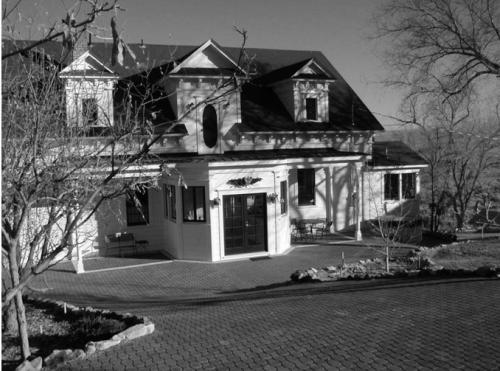
Tom and Judy Price of Yerington bought the home 16 years ago with plans to restore to its original condition. They said they think the Wilson's would approve of “the transformation of the house from a tired utilitarian ranch house, back to a house that reflects their status as early, influential settlers.”

Yerington Monday: The Basque (Part One): The Basque In Smith & Mason Valley

Yerington Monday:  The Basque (Part One): The Basque In Smith & Mason Valley

This is Part One of a series on the Basque in Northern Nevada.  Part Two will be “The Basque Hotels and Restaurants in Northern Nevada.”  Part Three will be “The Basque Cuisine and Festivals in Northern Nevada”  Although Yerington did not have a large Basque population, Yeringtonites enjoyed their culture and food and would drive miles for a family style meal at one of their hotel-restaurants when I was a kid, particularly in Gardnerville, which was 55 miles away.  (click on pictures for more information)


The Basque homeland is a tiny slice of the world, occupying about 100 miles across the Pyrenees in Spain and France.
In much of the rest of the state, though, the Basque presence looms large, reflected by prominent names such as Anacabe, Ascuaga, Echeverria, Erquiaga, Ernaut, Goicoechea, Laxalt and Parraguirre, and celebrated at festivals and restaurants that dot central and Northern Nevada.
According to “The Basques in Nevada,” a project by students at the University of Nevada, Reno, early Basques were explorers who reportedly accompanied Christopher Columbus on his famous 1492 voyage. This adventurous spirit seemed to be cultural, and when the Gold Rush hit, many young Basque men set out for the American West.
Those early settlers may have come to pursue their fortunes in gold mining, but before long they turned to sheep herding. At the peak of the Basques’ shepherding period, it’s estimated that 2 million of the animals grazed the Sierra Nevada, according to the project.


Sheep Camp of a sheepherder, 1943  
The ability to succeed in such a solitary occupation seemed to be a facet of the Basque spirit.
They could be out there alone for days, weeks, months on end. They do seem to have the aptitude to spend those long days. They all started in livestock at some point. They seemed to have an understanding of livestock and animal husbandry.  This is the reason there are so many Basques here is they used the public lands for grazing.
Sheep corrals in Mason Valley,  1920’s
Sheep and the people who tended them have played a major, and sometimes-overlooked, role in Nevada history. Sheep were first brought in to feed and clothe miners — and then, under ideal conditions for grazing sheep, the state's production of mutton, lambs and wool exploded. The large amount of public lands in Nevada available for grazing kept startup costs low, and attracted nomadic operations. Sheep were durable in harsh winter conditions, and with proper herding, they could cover vast distances in order to find feed.
Basques were involved with Nevada sheep almost from the beginning, as sheepherders and sometimes owners. The industry had its ups and downs. Overgrazing became a problem in Nevada as in other parts of the West.
Water was always scarce, and conflicts between ranchers, homesteaders, and nomadic sheepmen led to regulations which ultimately curtailed open grazing.
Although the nature of the business had changed, sheep ranching continued, with grazing still permitted on some public lands under certain conditions. Sheep still graze in Nevada mountains in the summer and Nevada deserts in the winter. But sheepherders are a vanishing breed, and the days of the Basque sheepherders, once the masters of Western sheep, are over.
Much of the progress was forged by Basque women. While the men were off herding sheep, it was the women who ran the restaurants, hotels or other businesses and served as ambassadors to the community.
The real watershed moment for Basques in Nevada, Saitua maintains, came in 1959, when the first Basque festival was held at John Ascuaga’s Nugget Casino in Sparks.
Basque Shepherd

The eleven foot monument was sculpted for John Ascuaga’s Nugget in Sparks, Nevada, as a tribute to the Basque people who pioneered Nevada, displayed with a plaque which pays special tribute to John Ascuaga’s parents.

Sheep field meeting with Fred Fulstone about wool covering sheep’s belly and its length, 1950, Fulstone Ranch, Smith Valley. Belly covering and length. Density and fineness of wool found there is emphasized as adding pounds to the fleece weight. Fred Fulstone, owner, is assisting. He was very interested throughout the demonstration.


Sheep Field Meeting. Dr. J.F. Wilson [UC Davis] starting his discussion regarding desirable fleeces for range ewes. He emphasizes length,density, and fitness in that order. 1950, Fulstone Ranch, Smith Valley

At 84, Fred Fulstone's family had at least 70 years experience grazing his allotments.
Vernon Wyatt and his son Ed Wyatt shearing sheep, ca. 1900-1920, Carson Valley, NV

Related Posts Plugin for WordPress, Blogger...