Yerington Monday: Wabuska
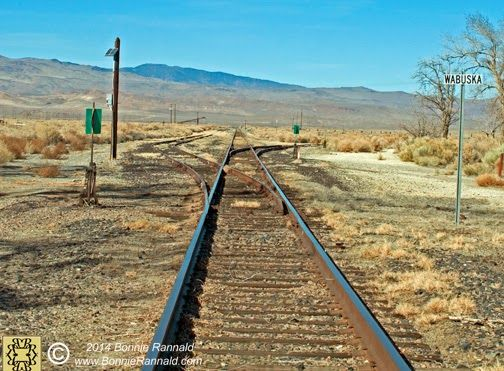
Wabuska is 12 miles from Yerington, Nevada. This was a tiny town. It was basically a railroad crossing. My mother received many tickets from Sheriff Bails for speeding in it 25 mph speed zone. Wabuska marked the end of Mason Valley’s agricultural landscape. Despite its smallness it has a great history. It has a bar to this day and at one time had a whore house. It is also know for the Great Yerington Sack Race. When my grandparents owned the Yerington Dairy here, my grandmother would take the train to Tonopah from here weekly to check on their other dairy. It is also the setting to my short story “The Day JFK Died” (see link below)
Wabuska (Washo language, White Grass) was established in the early 1870s. A post office was opened on September 18, 1974. In 1881, the town served as the principal Mason Valley supply center on the newly constructed Carson and Colorado Railroad of a line that went from Hazen to Mina. When copper was discovered in Mason Valley, the town became the northern terminus of the new Nevada Copper Belt Railroad, built 1909-1911. Wabuska waned with declining mining activity in the 1920s.
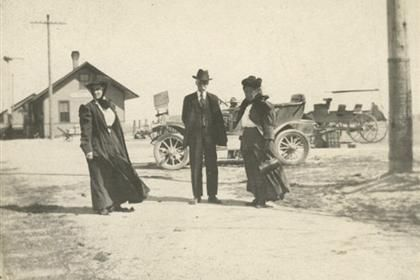
Spring 1908 Julia Smith, Robert Harlin and Hila Louise Patch at the Wabuska Nevada Train Station
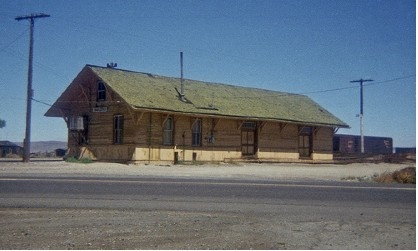
The Wabuska Railroad Station was erected in 1906 by the Southern Pacific Railroad as a freight and passenger station serving the Mason Valley region of Lyon County, Nevada. Early rail service to Wabuska was operated by the Carson and Colorado Railroad Company, until 1900, when the Southern Pacific Railroad purchased the company.
During the early 1900s, the Wabuska region served as the principal supplier of agricultural products for the mining camps of Tonopah and Goldfield. Increased freight traffic between Wabuska and the neighboring mining camps coupled with the discovery of copper ore in the Mason Valley prompted the Southern Pacific to erect a new depot in Wabuska. By August 1906, a crew of eight Southern Pacific carpenters were working on the new station, which opened for business by October. From 1910 to 1947, Wabuska also served as the transfer point for the Nevada Copper Belt Railroad, a major carrier of copper ore.
The depot is a single story, wood-frame building, 24 feet wide by 80 feet long with a gable roof, the eaves of which project several feet from the exterior walls. This overhang is supported by brackets. A large bay window on one side of the building originally housed the ticket office, while the other three sides contained sliding freight doors. The interior of the depot was divided into three rooms; the south half of the building accommodated freight, the center contained the ticket office, and the northern end served as the passenger waiting room. The station is typical of early 20th-century Nevada depot architecture, one of the few examples in the state today, and one of the last two surviving stations of the Hazen to Mina branch of the Southern Pacific Railroad. Of the seven stations constructed to serve this branch, only the Wabuska and a freight station in Mina survive. The Wabuska remained in active service until declining freight and passenger service forced the station to close in 1979. Instead of demolishing the vacant depot, the Southern Pacific donated it to the Nevada State Railroad Museum. In 1983, the depot was moved to the museum complex in Carson City and restored.

The Wabuska Railroad Station is located at the Nevada State Railroad Museum, on Hwy. 395 (Carson St.) at Fairview Ave. in Carson City. The museum is open to the public 8:30am to 4:30pm daily; there is a fee for adult admission. For further information or for special events check the museum's website or call 775-687-6953.
The Great Yerington Sack Race
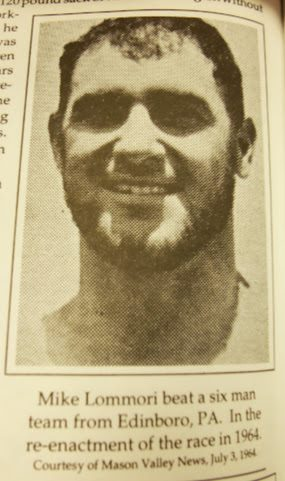
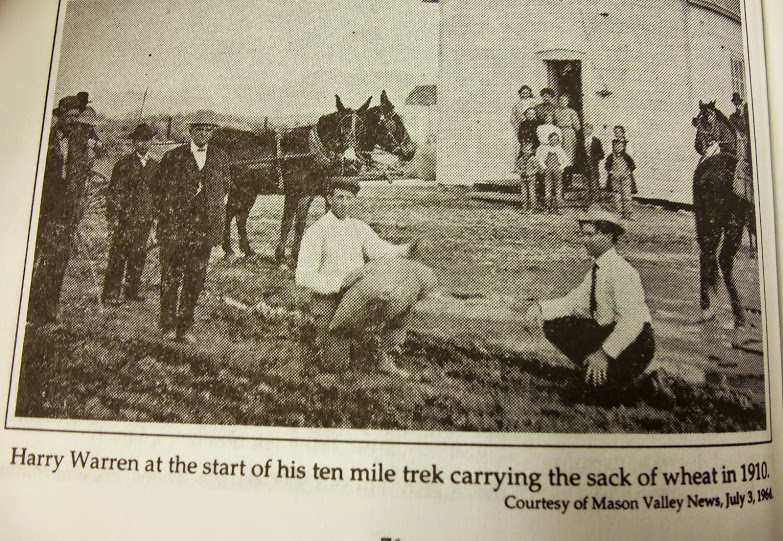
Yerington intermittently hosts what must be the most grueling single competition staged anywhere in the west. It doesn't appear in the list of annual events because it isn't held every year -- contestants can't be found that often. It's the World Championship Sack Race, and it dates back more than 80 years when a young farm hand named Harry Warren made local history.
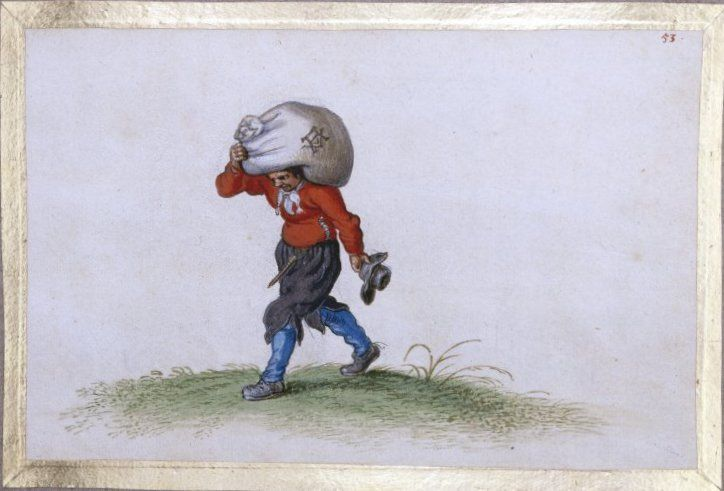
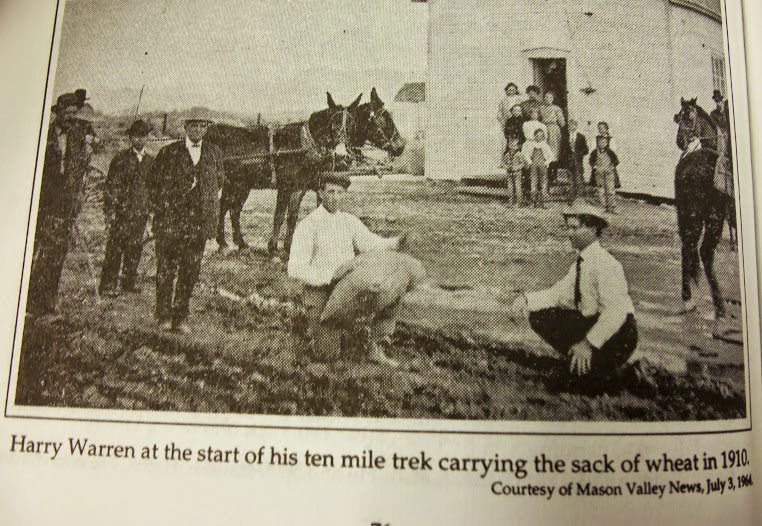
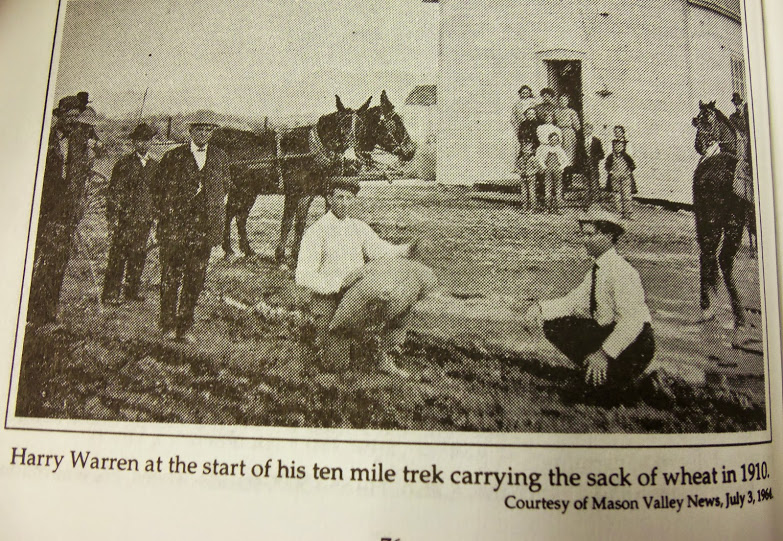
Harry was working as a ranch hand near Wabuska. He and some other men were loading a wagon with 120-lb. grain sacks, and in the process they got to talking about how far a man could carry one of the sacks without having to put it down and rest. Harry made the outrageous claim that he could carry one all the way to Yerington, about ten miles away.
When his fellow workers challenged his wild statement, Harry said, "Oh, I can do it all right. But you'll have to make it worth my while."
So some of the biggest and strongest men in the valley experimented with carrying the heavy sacks, and none of them made it more than a quarter mile. Harry's challenge spread around the valleys, and a fund of $1,500 was accumulated to call Harry's bluff.
On the day of the great event Harry heaved the sack up onto his shoulders and started off rapidly toward Yerington at a rapid walk. To the utter astonishment of every witness, Harry made the ten miles to Yerington in about two hours, stopping to rest only once, and never slowing his relentless pace. One of the amazed backers of the bet was a local beekeeper. "The bees never stung me," he said ruefully, "but Harry Warren sure did."
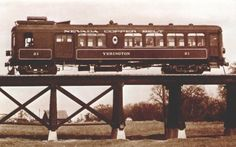
Yerington #21 Nevada Copper Belt Railroad Passenger Car named Yerington #21 that was used between Ludwig Mine and Wabuska. This car is now in the Sacramento, California Railroad Museum.
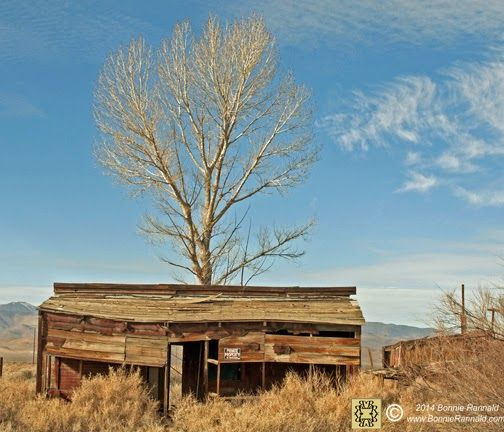
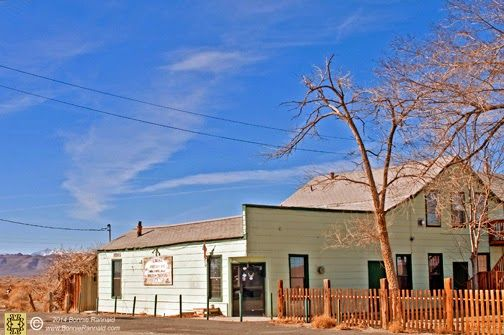
Like with the arid desert surrounding the small settlement, by the 1950's the town had begun to dry up and all that remained was a few houses and a bar with the two-story grocery store.
The town saw its heyday around the early 1900's with the discovery of copper in Mason Valley and became the northern terminus for the Nevada Copper Belt Railroad.
Wabuska’s namesake comes from Washoe Language meaning White Grass due to the white alkaline crust on the soil and thickets of sagebrush and greasewood.
Wabuska, Nevada was established near the Carson and Colorado Railroad in the early 1870's. Wabuska served as the principal supply center for the Mason Valley area, which was dependent on mineral resources for their economic activity.
Until recently bikers, truckers and even Avon were welcomed in for a cold one to the lingering bar.
Like with the arid desert surrounding the small settlement, by the 1950's the town had begun to dry up and all that remained was a few houses and a bar with the two-story grocery store.
Wabuska, 12 miles from Yerington, Nevada The Cracker Lady's House: History As Lived By The Cracker Lady: The Day JFK Died
The Cracker Lady's House: History As Lived By The Cracker Lady: The Day JFK Died
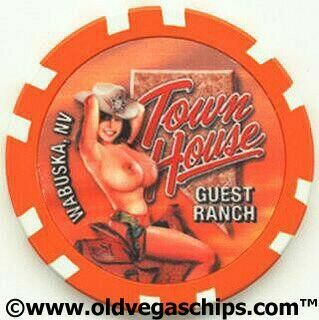
Town House Guest Ranch Brothel , Wabuska
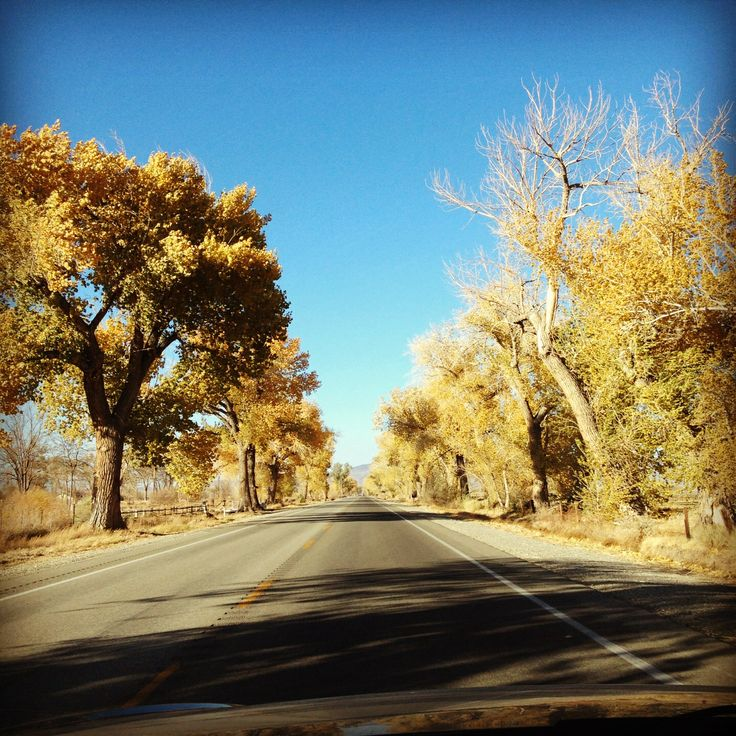
Road to Wabuska. I use to call this cottonwood lined road “The Wabuska Nation Forest”.
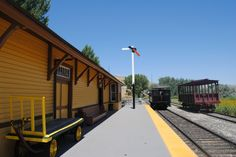
The Southern Pacific's former Wabuska depot now sits on the grounds of the Nevada State Railroad Museum


 When his fellow workers challenged his wild statement, Harry said, "Oh, I can do it all right. But you'll have to make it worth my while."


 So some of the biggest and strongest men in the valley experimented with carrying the heavy sacks, and none of them made it more than a quarter mile. Harry's challenge spread around the valleys, and a fund of $1,500 was accumulated to call Harry's bluff.

 On the day of the great event Harry heaved the sack up onto his shoulders and started off rapidly toward Yerington at a rapid walk. To the utter astonishment of every witness, Harry made the ten miles to Yerington in about two hours, stopping to rest only once, and never slowing his relentless pace. One of the amazed backers of the bet was a local beekeeper. "The bees never stung me," he said ruefully, "but Harry Warren sure did.”