Monday, May 16, 2016

Yerington Event: Meeting with 50-Class Reunion Committee May 13, 2016

Yerington Event:  Meeting with 50-Class Reunion Committee
May 13, 2016

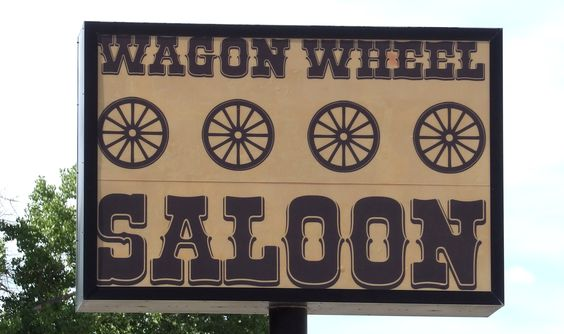
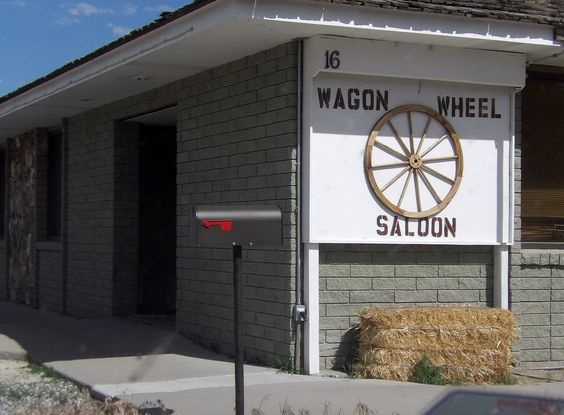
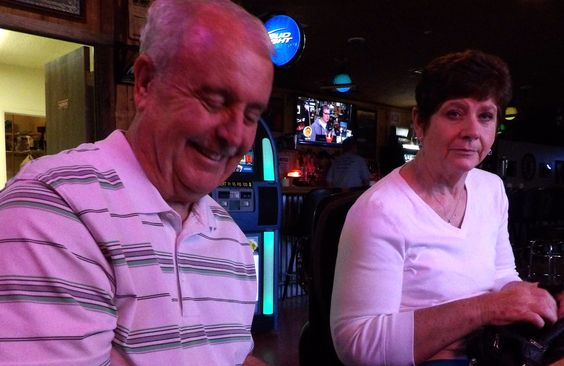
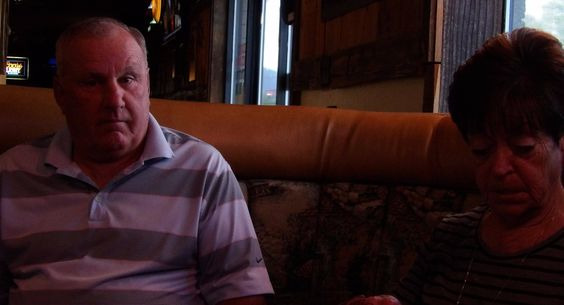
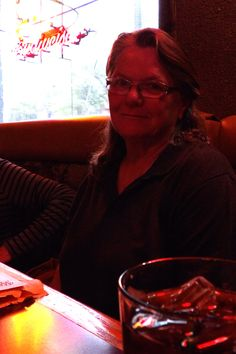
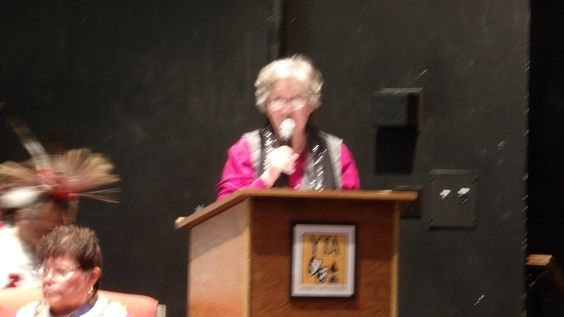
The Committee for the 50-Year Class of 1966 Reunion met Friday 13 at the Wagon Wheel Saloon on Main Street to discuss plans for the reunion.  In attendance were Jim and Lisa Sanford, Donnie and Cindy Menesini, Mary Burns, and yours truly, Chere Brown.  We are open to any of our classmates input and ideas. We are only 3 months away from that great meetup day on August 13 at the Pioneer Crossings Convention Center.  Remember that the deadline to pay is July 15.  Send you money to Cindy Menesini,   My apologies for the poor quality pictures (I choose to blame the poor lighting and not the photographer).


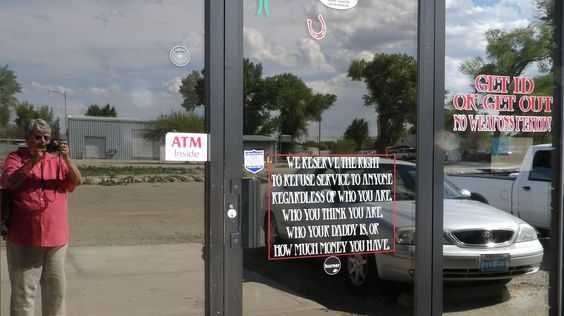
 Wagon Wheel Saloon

Wagon Wheel Saloon

 
Jim and Lisa Sanford

Donnie & Cindy Menesini


Mary Burns

Me taking a selfie at the Wagon Wheel entry door.

Yerington Monday: Francis Goettsch and His Electric Steer

Yerington Monday:  Francis Goettsch and His Electric Steer


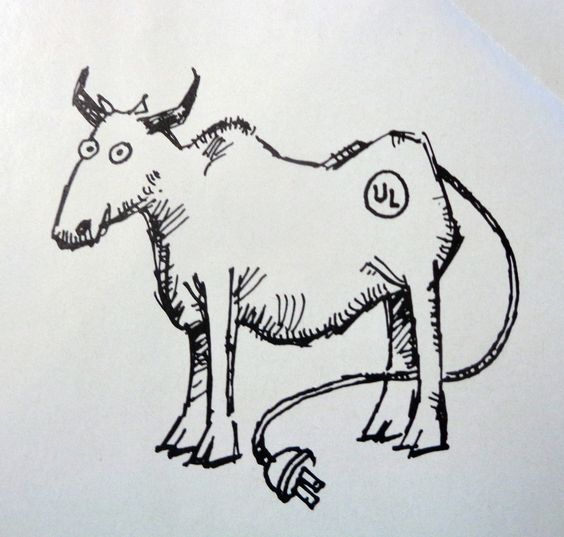
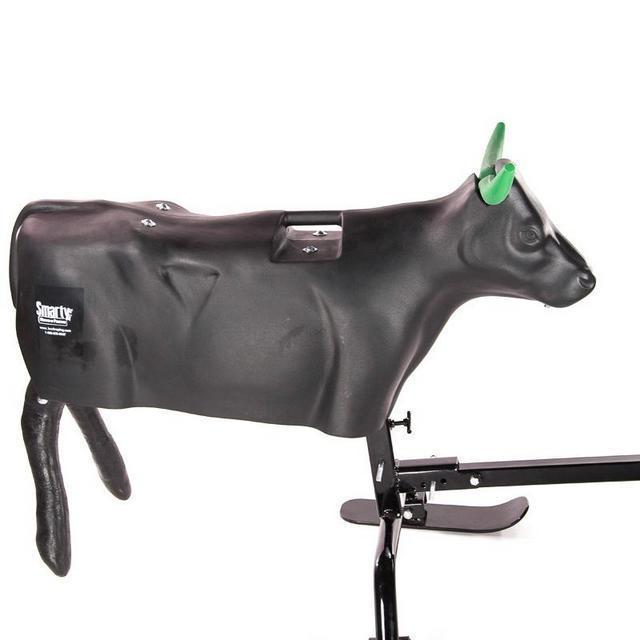
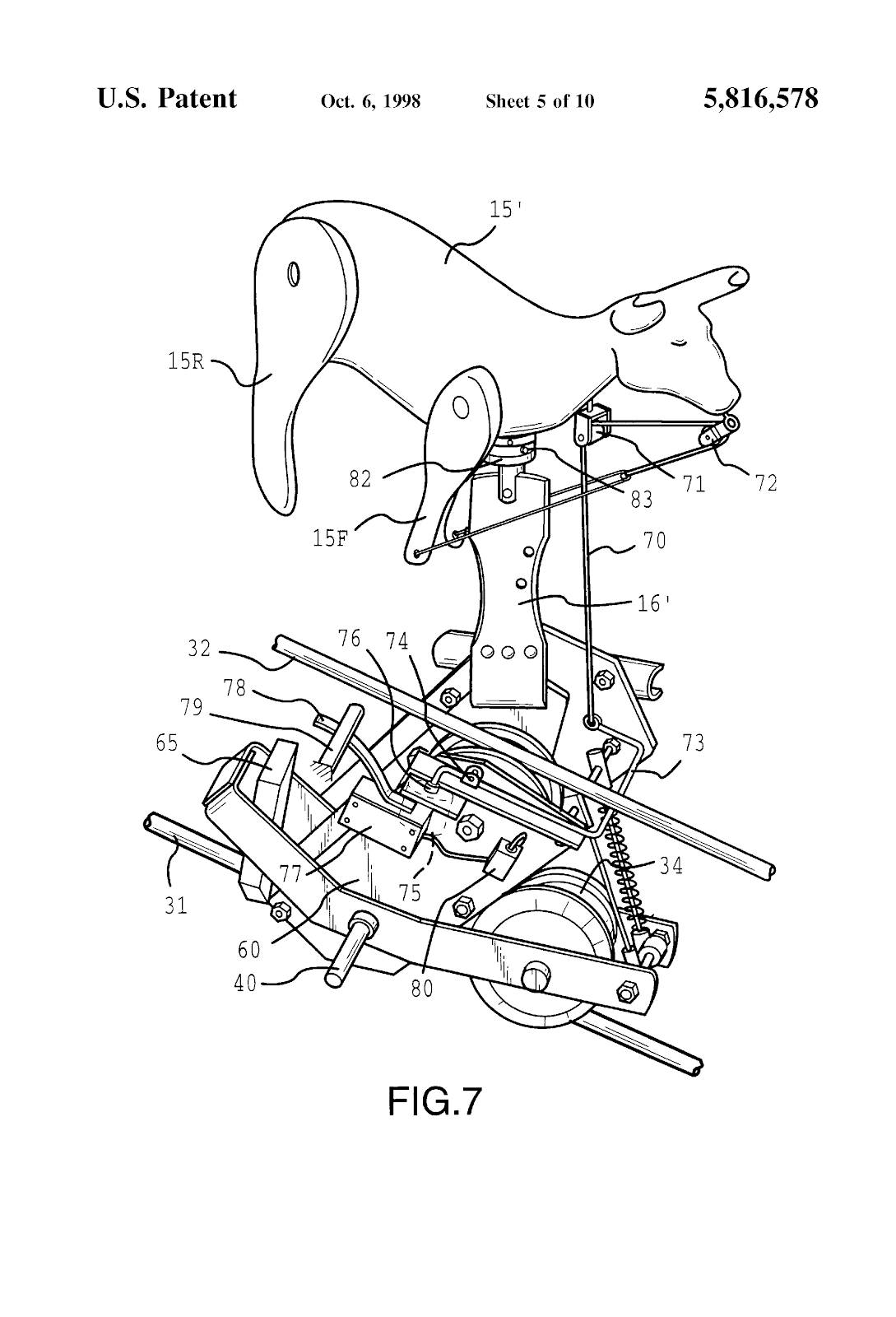
In 1978 Nevada Magazine reported:  A Mason Valley Man has invented an electric steer, complete with kicking legs operated by a motor and a dry cell battery, that can be used to practice roping.


Francis Goettsch, a former rancher and presently Yerington’s dogcatcher, has a patent pending on his mechanical cow and hopes it will catch on with schools and rodeo ropers looking for practice.


“I’ve always been a roper,” Goettsch said.  “I just needed something to practice on for my timing.”  The beast also can be pulled by a horse for roping on the fly.  If Goettsch’s dream comes, all his customers will need is a dry cell and a rope.


Sunday, May 8, 2016

Yerington Event: SLMC Mother’s Day Brunch May 7, 2016

Yerington Event:  SLMC Mother’s Day Brunch
May 7, 2016


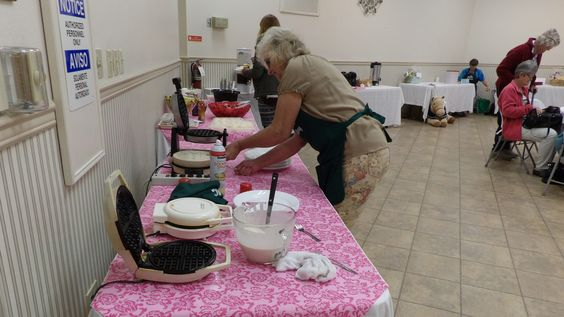
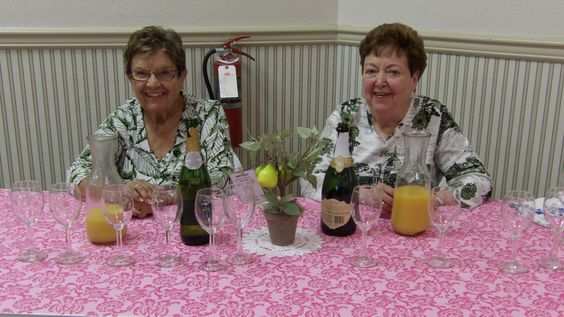
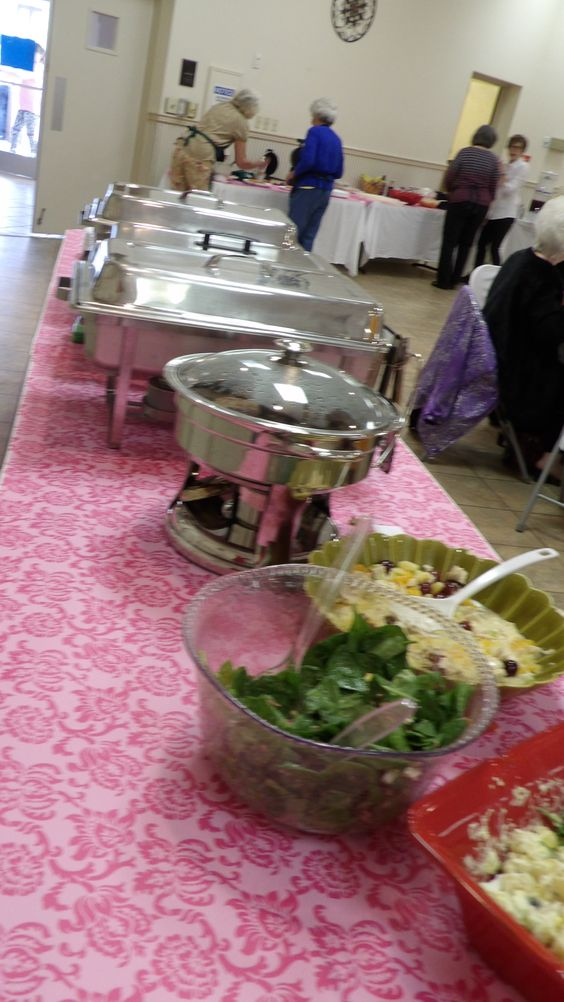
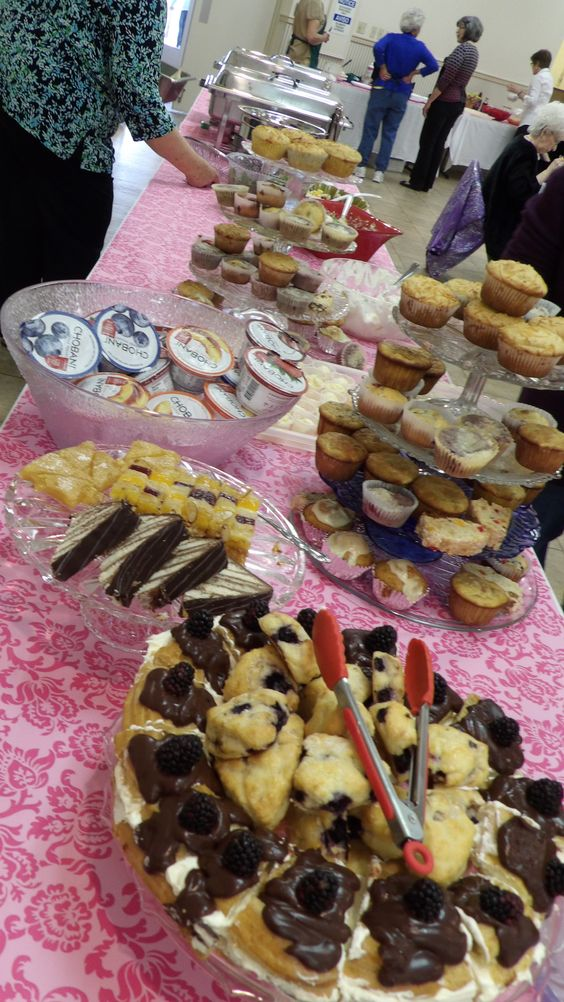
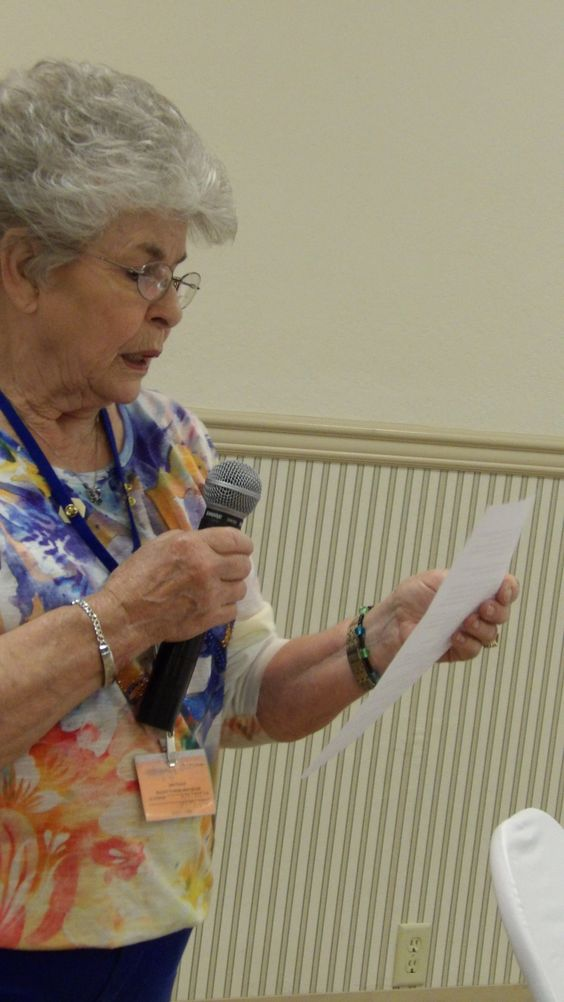
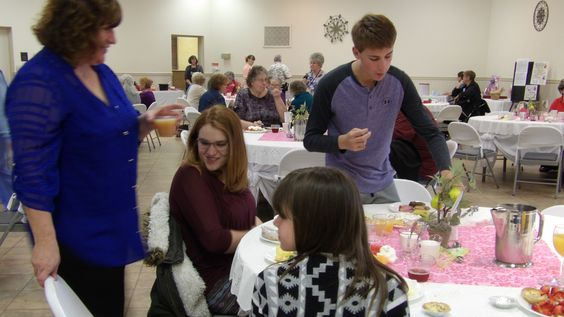
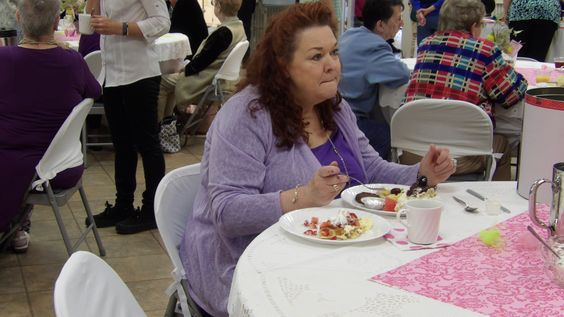
The Mother’s Day Brunch of the SLMC Auxiliary was a great success.  The food was delicious (the best waffle bar I have ever seen)  and the fellowship was grand.  I really enjoyed myself.  Being new (after many, many years), I do not know the names of many of the people in these pictures.  If you know anyone, please mention their name by each picture.


 Gay Hadsail


 Rebecca Dalski, Sandy Moore, Gay Hadsail, Betty Lasater and Sandy Christensen


Yvonne Draper and Phyllis Longero  


   Gail Kendall, SLMC Auxiliary historian, calling out door prize winners


Laurye Wright, columnist for Mason Valley News

Yerington Event: "Notes To Our Children" May 6, 2016

Yerington Event:  "Notes To Our Children"
May 6, 2016

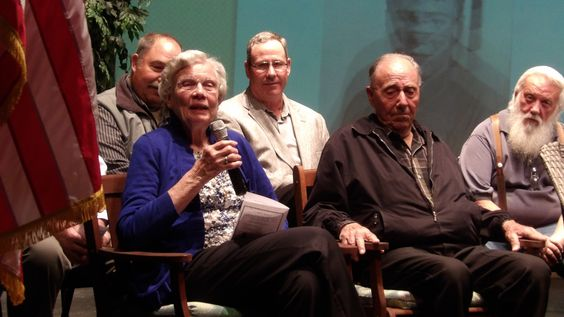
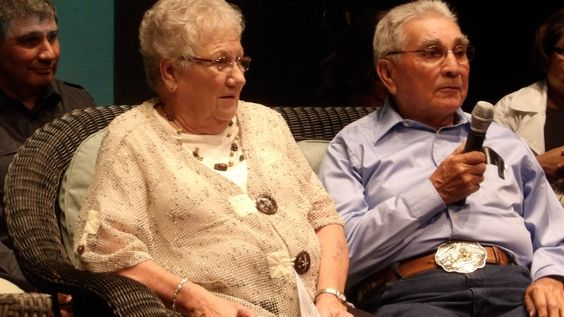
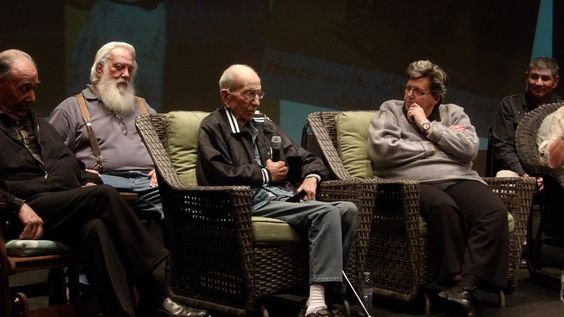
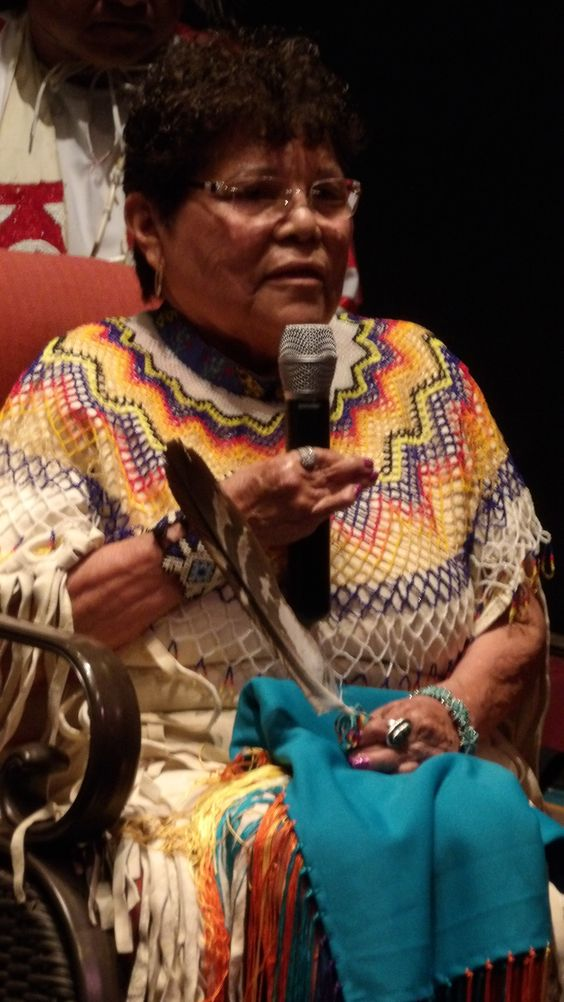
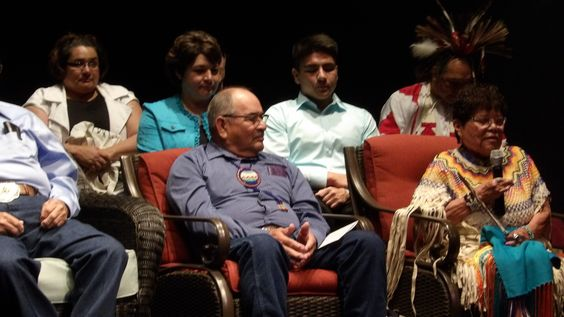
I really enjoyed myself at this event.  I learned a lot from the old timers and the history of Mason and Smith Valley.  I even ran into one of my Classmates, Orin Carrera, and was able to extend him a personal invitation to our 50-Year Class of 1966 Reunion in August.


MC- Claudia Hayden


Mary & Ralph Nuti Family of Smith Valley


Chris and Sandy Rogers of Mason Valley


Lota and Romeo Rosaschi, Jr. of Mason Valley


Priscilla and Orin Carrera Family of Schurz


Yerington Monday: Newcombe Building Makes Way For Fabri Furniture Store

Newcombe Building Makes Way For Fabri Furniture Store


 :

A young Bett Newcombe in front of his "shop" Note stone building to the right. It still stands in today's buildings in the block. (Photo submitted by Charles Newcombe)

 :

Mae Newcombe, ready to pump gas while Bert goes to get the mail. (Photo submitted by Charles Newcombe)


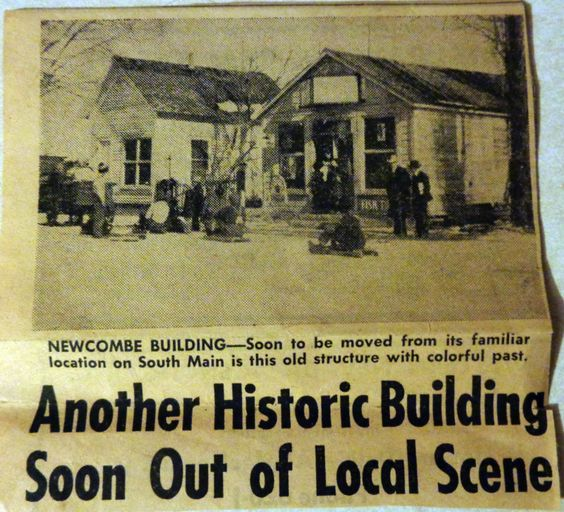
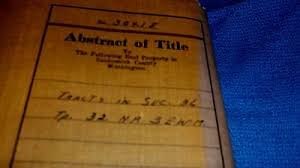
The property where the Newcombe property was located witnessed many changes.  The original deed to the property dates back to 1876.  The deed, in the form of Abstract of Title, was in the beginning a land patent used for securing homestead rights on public domain.  It was granted to Samuel Woods in 1876 and was ordered drawn up by Ulysses S. Grant, President of the United States.  It was recorded with the Wells Fargo Agent on April 27, 1877, in Esmeralda County.


Later in the same year there was a mortgage on the property for the amount of $571.64 which was to be paid only in gold coin of the government of the United States.  The interest rate was two percent per month and was to be paid in the same manner.


The various owners throughout the years in addition to the Woods were Moses Purcell, Samuel Fogg, Henrietta Apsey and Russell Dunn.  It became the property of Mr. & Mrs. Bert Newcombe in 1918.


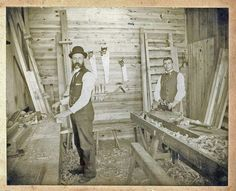
In 1876, at the time of the land patent, the property was used as ranch land.  Several years later Samuel Fogg and Moses Purcell purchased the land and Fogg conducted a carpentry shop on the site.  The building to house his shop was at this time moved onto the property.

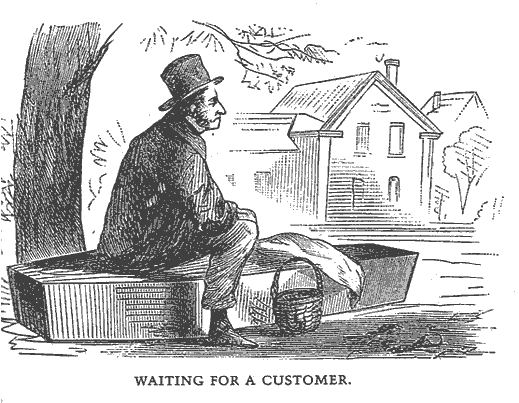
From a carpentry business, the site next housed a mortuary.  The building for this enterprise was situated  in a stone cellar to the rear of the lot and the carpentry shop became in succeeding years a sweet shop, post office and finally a battery shop.


In 1918 Bert and Mae Newcombe purchased the property with Bert expanding his battery business to include tires, small auto parts and the sale of gasoline.  Bert continued building it up and at the time of his death had been at the same location well over 40 years.


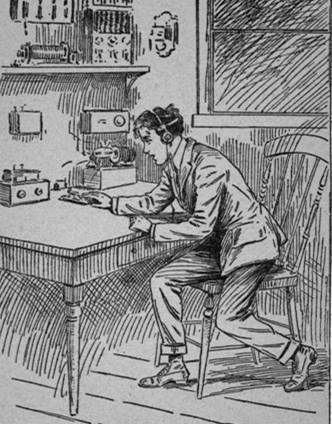
In 1920 Bert Newcombe successfully passed an examination for a licensed wireless operator.  With his equipment he was able to contact the Bay area, which was quite an accomplishment for that time.


On the first National Radio hookup in 1923, the Newcombe’s entertained guests in the shop by permitting them to listen to the program on his receiving equipment.


Marconiphone Two-Valve Receiver Type V2, by Marconi’s Wireless Telegraph Co. Ltd, 1923. This is one of the first domestic wireless broadcast receivers. A loudspeaker could be used with the addition of a two-stage amplifier.


In the early 1950’s, the Newcombe property was sold to Peter and Carol Fabri.  The Fabri’s whose first order of business was to remove the old buildings on the land.  Later they would build their Fabri’s Furniture Company on the land.

Sunday, May 1, 2016

Yerington Monday: Hap Mcgee & The Longhorns

Hap Mcgee & The Longhorns


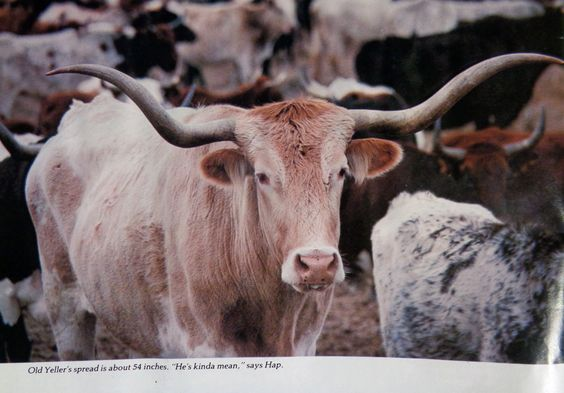
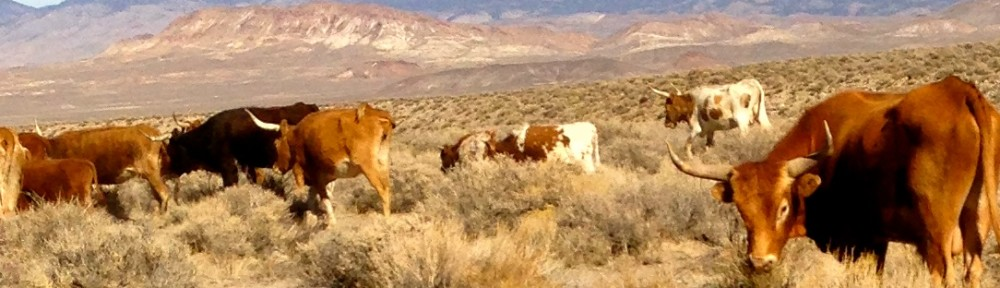
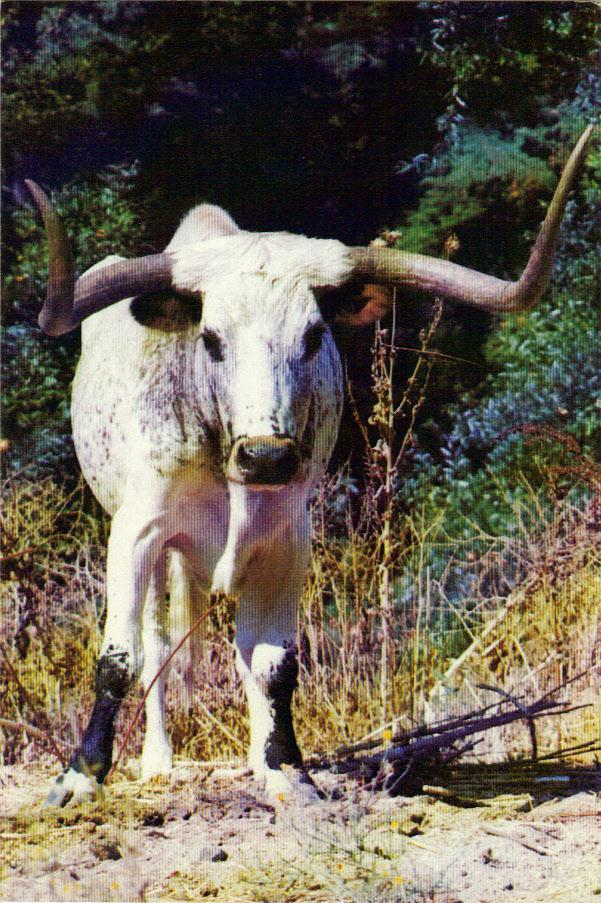
The Longhorn were a  legendary breed of cattle, massive horn spreads and suspicious glares. They was a prominent thread in in the old American West tapestry.  Hap Magee said, “If it weren’t for longhorns the cowboy might never have been.  Nor those epic trail drives and soulful ballads cowboys san to soothe those weary longhorns.  Without the longhorn the West just wouldn’t have had its most romantic episode.”


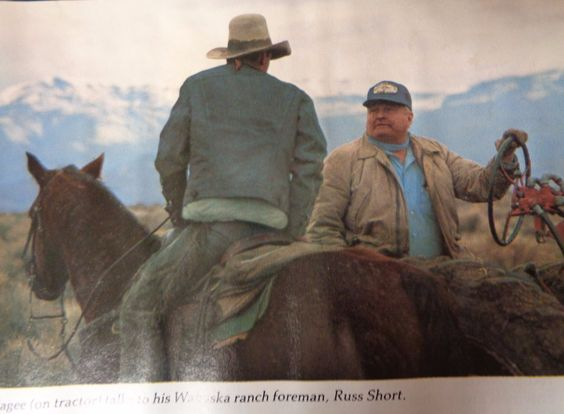
Hap Mcgee had one of the largest herds of longhorn herds -- 2,000 head-- in the U.S.  Magee explained that his herd was about the largest since John Chisum drove his herd up the trail from Texas and started the tide of longhorns north.


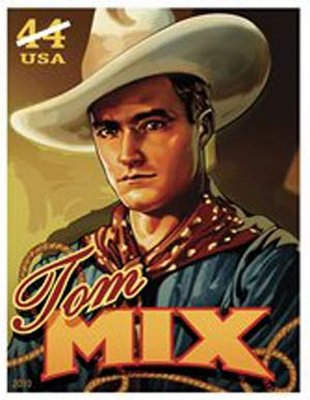
Born in 1922, Hap grew up in Piedmont, graduating from Piedmont High School in 1941. Legend has it that at the age of 10, Magee met silent film cowboy Tom Mix, who gave him a pair of gloves made by Native Americans. That gift inspired a lifetime dedicated to collecting and preserving the Old West.


Wabuska

Three times Hap Magee tried to settle in Wabuska, Nevada, and three times he went broke.  On his fourth try he placed a 2,000 head of longhorn on his ranch in Wabuska.  “I’m no longer just a hobby breeder of longhorns,” Magree bragged. “Fact is like a lot of other cowmen we’re rediscovering  what the old time cowmen knew:  that the longhorn is not just a lot of legs and horns.  His blood is something special and commercially a good investment.”

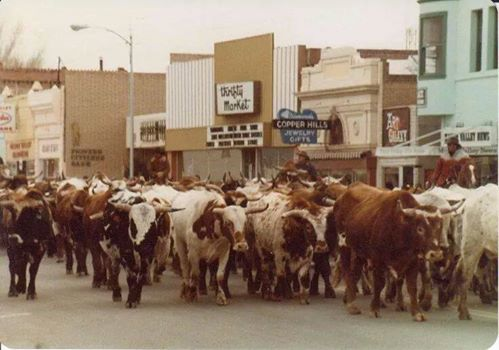
Hap Magee’s cattle marching down Main Street at a Fourth of July Parade in Yerington.


According to multiple news reports of the 1960's and 1970s, Magee's herd of longhorns, split between his Alamo ranch and his property in Nevada, was one of the largest herds in the country. At one point, the herd's fame transcended its status as a local novelty: The Hayward Daily Review in May 1976 quoted Magee as saying that his herd had a theatrical agent to handle its numerous commercial and public appearances.

Danville and Alamo Ranches

By the time Magee and his wife, Ruth, relocated to the Alamo property he was not only an experienced rancher but also an avid collector of Old West memorabilia and a dedicated fan of Texas longhorn cattle.

In fact, it was not uncommon for Magee to herd a few of his cattle through Danville to the Silver Dollar Banquet Room (now Celia's in the complex behind the Danville Hotel), so the community could see the cattle up close. One story in the local papers said that Magee once rode in a Danville parade with one of his bulls in the back of a black limousine, but photographs of that spectacle are sadly lacking.

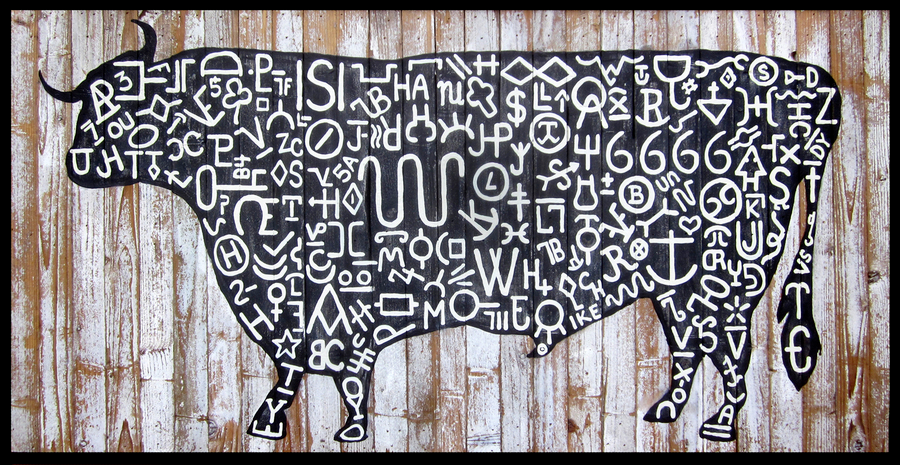
Despite the attention his cattle garnered, Jones' book and many other sources assert that it was Magee's collection of Western memorabilia and branding irons that made him a local legend. Sources place the size of his brand collection anywhere from 1,000 to 2,500 strong. At one point, the collection included brands from Daniel Inman, Bing Crosby, Beatrice Kay, Safeway Stores and the King Ranch.


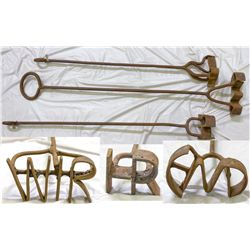
This and the following lots contain 300 irons that once belonged to Nevada resident Hap Magee who began acquiring them in 1935. the collection consists of irons rom Nevada, California, Texas and as far away as Australia and Mexico.

So famous was his collection of brands and Old West memorabilia, that in 1977, Magee became a trustee for the National Cowboy Hall of Fame and Western Heritage Center in Oklahoma City.

In his later years, Magee shared his collection of memorabilia with the community by setting up displays to help educate folks on the ways of the West. He would load up trailers and bring the West to the Diablo Bank parking lot for residents to enjoy.

Those who knew Magee remember him as an affable guy. Mike Doyle, a former mayor of Danville and a resident since the early 1950s, recalled Magee as "a nice fellow who loved this city and community."

"He was a real nice guy," remembered author and historian Virgie Jones, who has lived in the area since the '40s and knew the Magee family.

Magee, his wife Ruth and their daughter Julie lived on the land until the late 1980s.


The Magee chapter of the story ends after his 1985 death in Napa when his wife sold the land to a nonprofit land agency for about $940,000. The agency then sold the land to Danville and Contra Costa County for about $1 million, and a commission was formed to plan and operate the park, beginning the current chapter of the story.


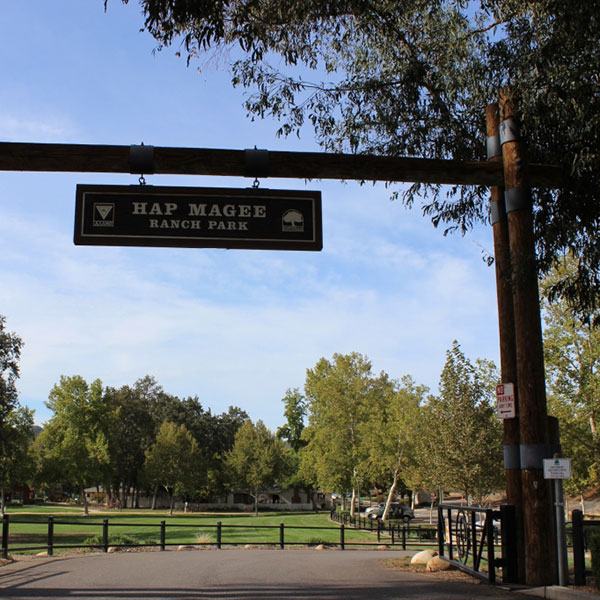
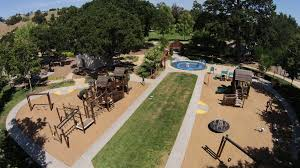
The first public meetings on the park began in 1988. For a long time it was an open grassy area and a few buildings, but slowly it has evolved into the popular place it is now. Today, Hap Magee Ranch Park is a wonderful asset to the community. Its children's play area is crowded, the dog park is a popular spot, and the buildings are used to host a number of special events.

The current chapter is punctuated by the laughter of children and underscored by the importance of preserving history. If the question ever arises about the identity of Hap Magee, answer confidently that he was a colorful character who played an important role in the community. Given the property's history, it seems fitting that the land is making kids smile once again.
Related Posts Plugin for WordPress, Blogger...